Q1. What is a Semiconductor Fuse?
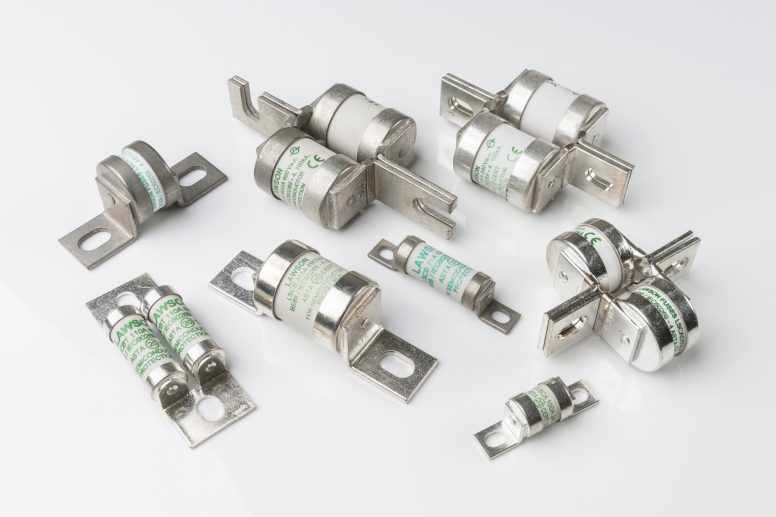
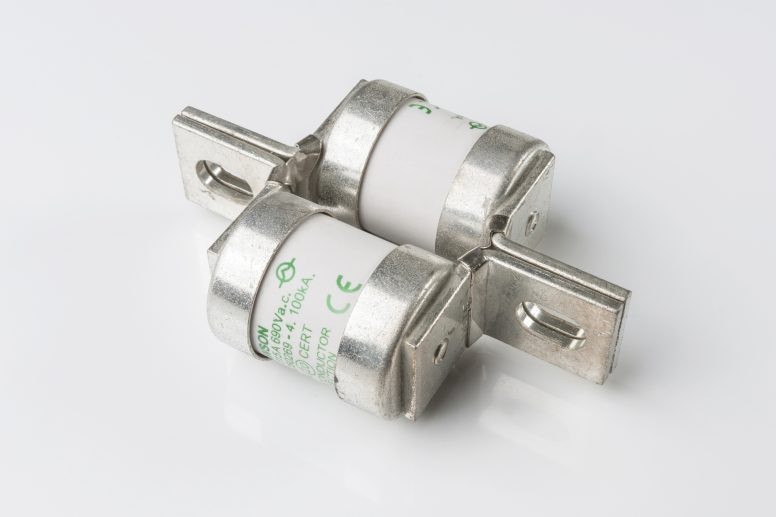
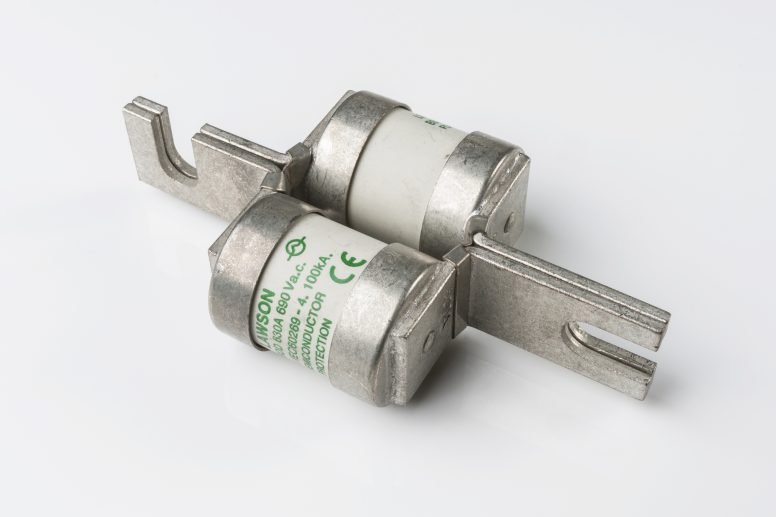
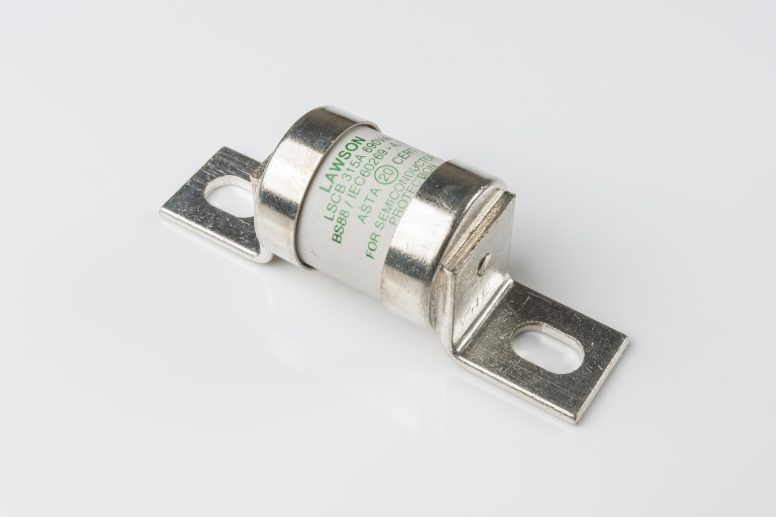
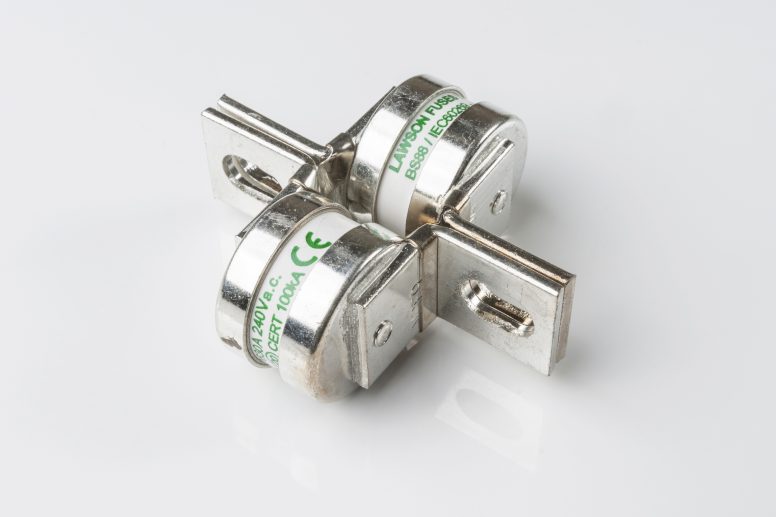
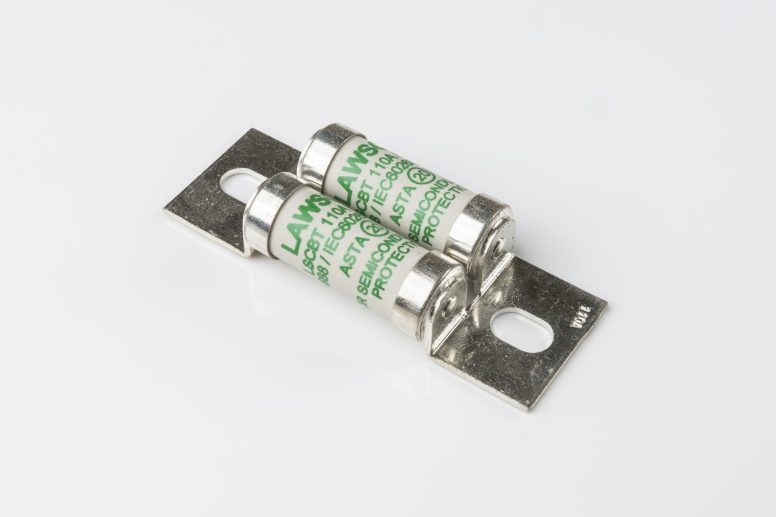
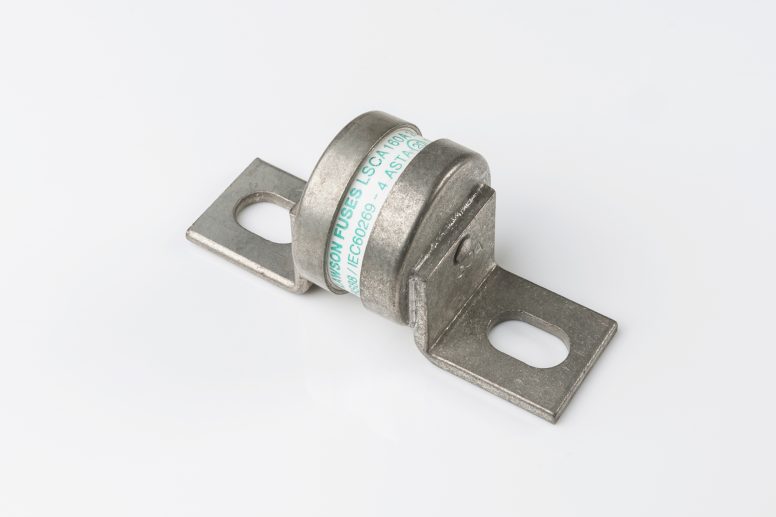
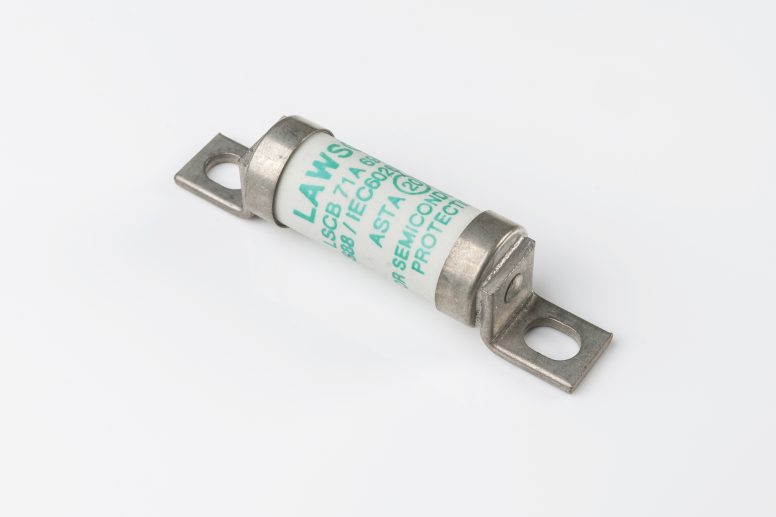
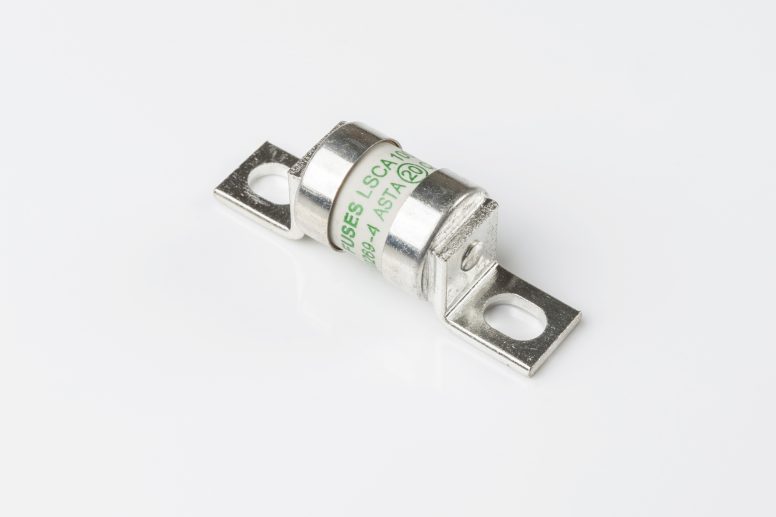
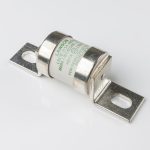
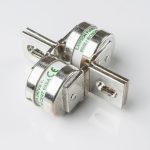
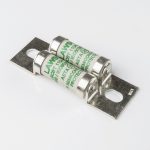
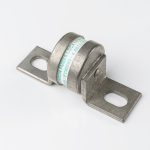
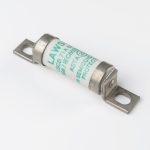
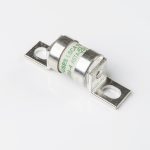
A Semiconductor Fuse — also called a Semiconductor Protection Fuse or Semiconductor Fuse Link — is a specialised high-speed fuse-link designed to protect semiconductor devices such as thyristors, SCRs, diodes, IGBTs, and rectifier bridges from destruction caused by overcurrent faults. Unlike standard gG industrial fuses, a Semiconductor Fuse operates at extremely high speed to interrupt fault current before the I²t energy absorbed by the semiconductor device exceeds its rated withstand value. The Lawson Type LSC is a BS Bolted Type Semiconductor Fuse available in 240V and 690V series with current ratings from 10A to 900A.
Q2. What is the difference between a Semiconductor Fuse and a standard industrial fuse?
A standard industrial fuse (such as a gG type) is designed for general overload and short-circuit protection of cables and equipment, and operates on a relatively slow time-current characteristic. A Semiconductor Fuse — such as an SCR Fuse, Rectifier Fuse, or Ultra Fast Fuse — is designed to operate significantly faster, with a much lower I²t value (let-through energy), to interrupt fault current within microseconds. This speed is essential because semiconductor devices, unlike cables or motors, can be destroyed almost instantaneously by even brief overcurrent events.
Q3. What is a SCR Fuse and where is it used?
An SCR Fuse is a Semiconductor Protection Fuse specifically rated and characterised for the protection of Silicon Controlled Rectifiers (SCRs) — also known as thyristors. SCR Fuses are used in thyristor-based power converters, DC motor drives, soft starters, and industrial rectifiers where SCR devices must be protected against short-circuit overcurrents that could destroy the device faster than a standard fuse could respond. The Lawson Type LSC SCR Fuse range covers both 240V and 690V applications.
Q4. What is a Rectifier Fuse and a Rectifier Protection Fuse?
A Rectifier Fuse (or Rectifier Protection Fuse) is a fast-acting semiconductor fuse-link used to protect individual diodes or complete rectifier bridge assemblies in AC/DC power conversion equipment. Rectifier diodes, like thyristors, have a limited I²t withstand capability and can be destroyed in milliseconds by fault currents that a standard industrial fuse would take much longer to clear. The Lawson Type LSC provides Rectifier Fuse protection across a wide range of voltage and current ratings for both single-phase and three-phase rectifier applications.
Q5. What is a VFD Drive Protection Fuse?
A VFD Drive Protection Fuse is a Semiconductor Fuse specifically applied to protect the power semiconductor devices — typically IGBTs or thyristors — within a Variable Frequency Drive (VFD), also called a Variable Speed Drive (VSD) or inverter drive. These drives contain rectifier stages that convert AC to DC and inverter stages that convert DC back to variable-frequency AC. Both stages contain semiconductors that require Ultra Fast Fuse protection. The Lawson Type LSC is widely used as a VFD Drive Protection Fuse in both the incoming rectifier bridge and the DC bus of industrial drive systems.
Q6. What is an EPFC Protection Fuse?
EPFC stands for Electronic Power and Frequency Conversion — a broad category that encompasses AC/DC converters, DC/AC inverters, frequency converters, UPS systems, and similar power conversion equipment. An EPFC Protection Fuse is a Semiconductor Fuse applied to protect the semiconductor devices within this equipment. The Lawson Type LSC Fast Acting Fuse and Ultra Fast Fuse range covers EPFC protection applications across both 240V and 690V supply voltages.
Q7. What is a Power Inverter Fuse and a Fuse in Inverter?
A Power Inverter Fuse (also referred to as a Fuse in Inverter) is a Semiconductor Fuse used to protect the semiconductor switching devices — typically IGBTs, MOSFETs, or thyristors — within a power inverter. Inverters convert DC power to AC power and are found in solar PV systems, wind turbines, UPS units, motor drives, and industrial power supplies. Because the switching semiconductors inside an inverter can fail catastrophically within microseconds of a fault, an Ultra Fast Fuse with correctly matched I²t characteristics is essential for reliable protection.
Q8. What is the difference between a 240V Semiconductor Fuse and a 690V Semiconductor Fuse?
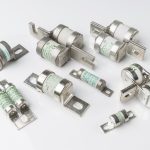
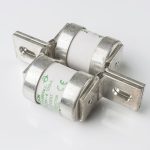
The 240V Semiconductor Fuse series (Type LSC — LSCA/LSA/LSCAD/LSAD references) is designed for use in 230/240V a.c. single-phase or lower-voltage power electronics applications, while the 690V Semiconductor Fuse series (LSCB/LSCBT/LSCBD/LSBD references) is designed for use in 400V, 415V, 500V, or 690V a.c. three-phase power electronics systems. Both series comply with IEC 60269-4 / BS 88-4 but have different physical dimensions and arc energy characteristics matched to their respective voltage levels. Selecting the correct voltage-rated Semiconductor Fuse is critical to ensuring safe and reliable operation.
Q9. What trip indication options are available with the Type LSC Semiconductor Protection Fuse?
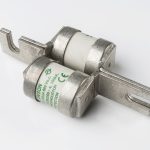
The Type LSC range includes trip-indicator fuse-links that can be used in parallel with the main Semiconductor Fuse to provide a clear visual indication when the fuse has operated. Indicators can be attached directly to the associated fuse-link or mounted separately in panel-mounted fuse clips. A push-on adaptor and microswitch attachment is also available, enabling the trip indicator to activate a remote alarm or control signal — supporting automated fault detection in VFD drives, UPS systems, rectifiers, and power converters.
Q10. Are non-standard current ratings available for the Type LSC Semiconductor Fuse?
Yes. In addition to the standard current ratings specified in IEC 60269-4 and BS 88-4, Lawson Fuses can supply non-standard current ratings within both the 240V Semiconductor Fuse and 690V Semiconductor Fuse series to meet specific application requirements. Contact the Lawson Fuses sales team or your authorised sales partner to discuss custom rating requirements for your semiconductor protection application.
Q11. How do I select the correct Semiconductor Fuse for my application?
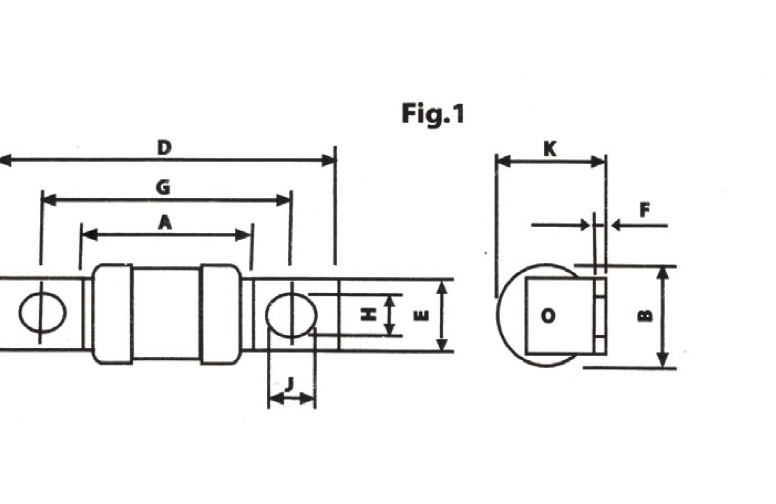
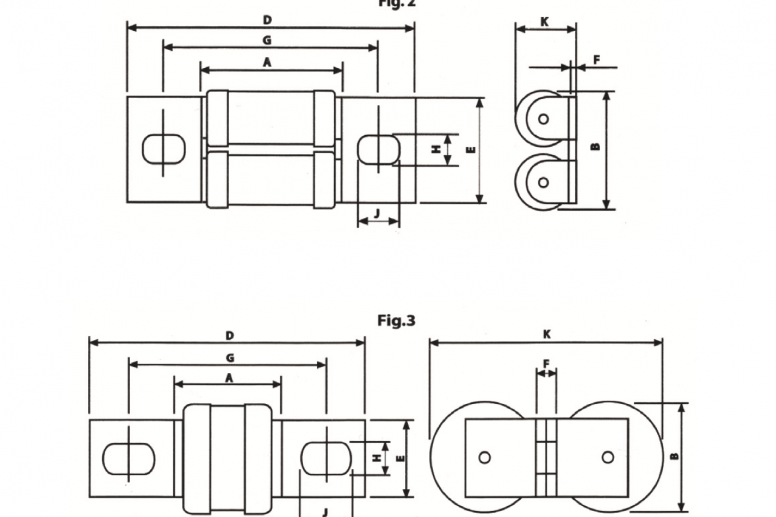
Selecting the correct Semiconductor Protection Fuse requires matching several key parameters to your semiconductor device and circuit: rated voltage (240V or 690V), current rating, I²t let-through energy (must be less than the semiconductor device’s I²t withstand), peak arc voltage (must not exceed device voltage rating), and physical dimensions and mounting configuration. For guidance on selecting the correct SCR Fuse, Rectifier Fuse, Ultra Fast Fuse, or VFD Drive Protection Fuse for your application, download the Type LSC Product Information Sheet or contact the Lawson Fuses technical sales team directly.