Q1. What is an IEC 60127 Fuse?
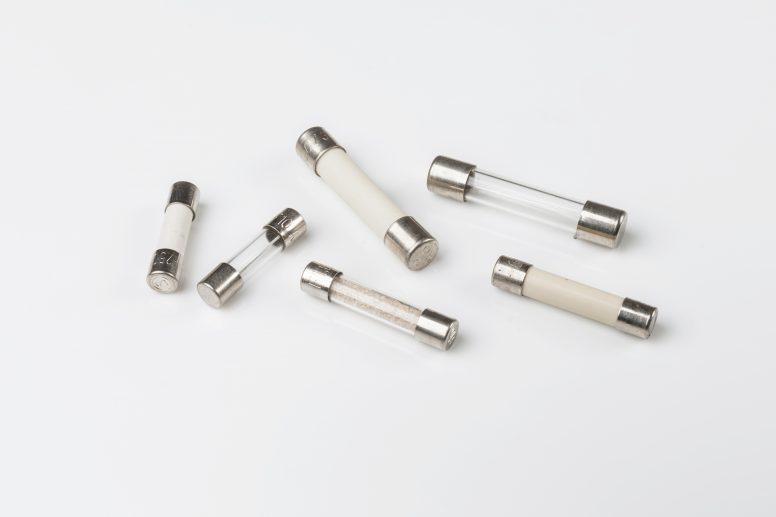
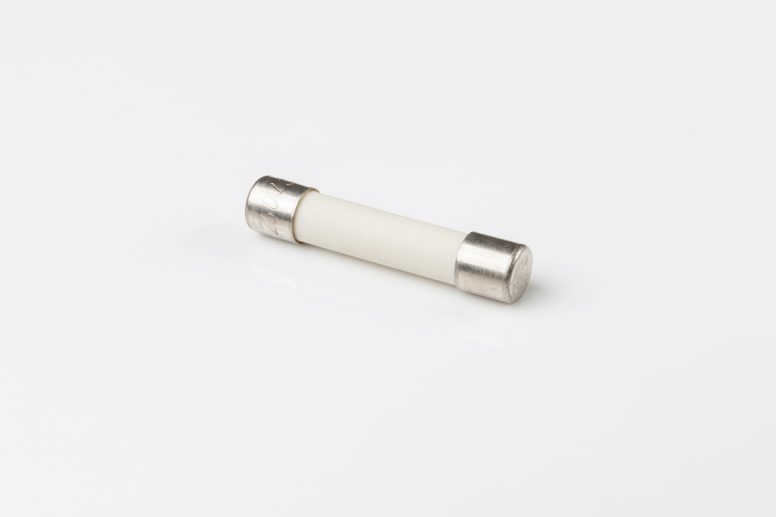
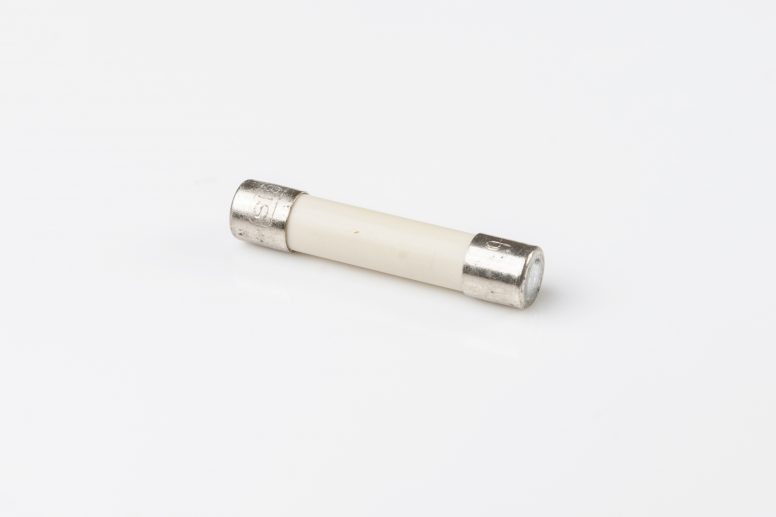
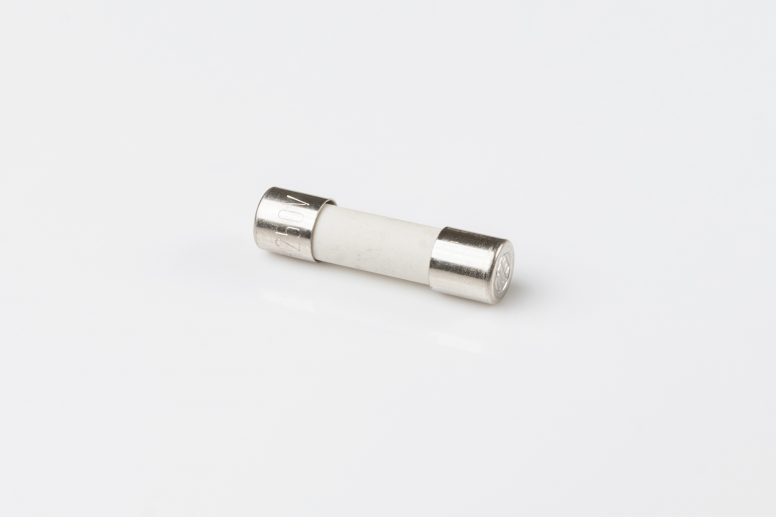
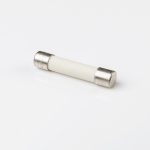
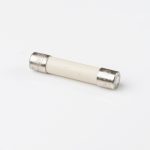
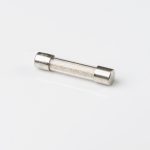
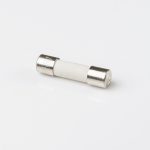
An IEC 60127 Fuse is a miniature fuse-link manufactured to comply with the IEC 60127 international standard, which specifies requirements for miniature fuses used in the protection of electronic equipment and appliances. The standard covers physical dimensions, current ratings, voltage ratings, and performance characteristics including time-lag and quick-acting behaviour.
Q2. What is the difference between a Miniature Fuse 5×20 and a Miniature Fuse 5×25?
Both are cylindrical mini cartridge fuses with a 5mm diameter, but they differ in length — 20mm versus 25mm. The 5×20 format is the global standard size widely used in international equipment, while the 5×25 size is more commonly found in UK-manufactured equipment and some older appliances. They are not interchangeable, so it is important to confirm the correct size before replacing a mini fuse.
Q3. What is a Miniature Fuse 6.2×32?
The Miniature Fuse 6.2×32 is a larger format IEC 60127 Fuse measuring 6.3mm in diameter and 32mm in length. It is used in higher-current applications and is commonly found in industrial electronic equipment, power supplies, and chassis-mounted fuse holders. This size is also widely used as a PCB Fuse in panel-mounted fuse holders on control boards and instrumentation.
Q4. What is a Miniature Glass Fuse?
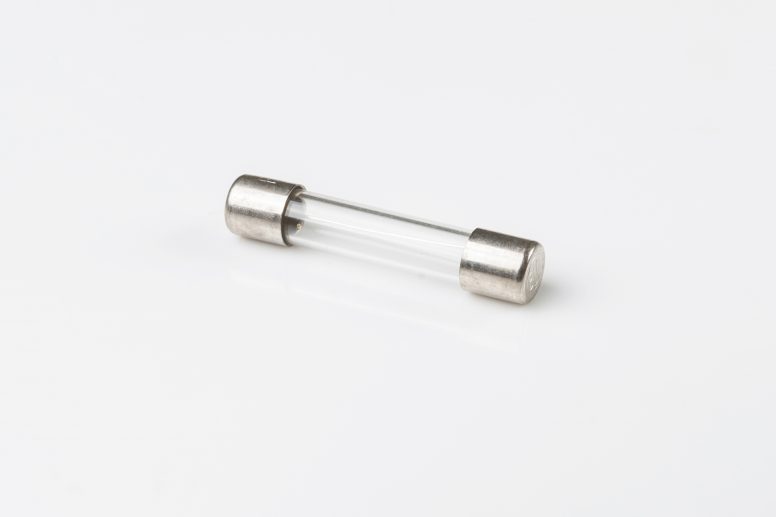
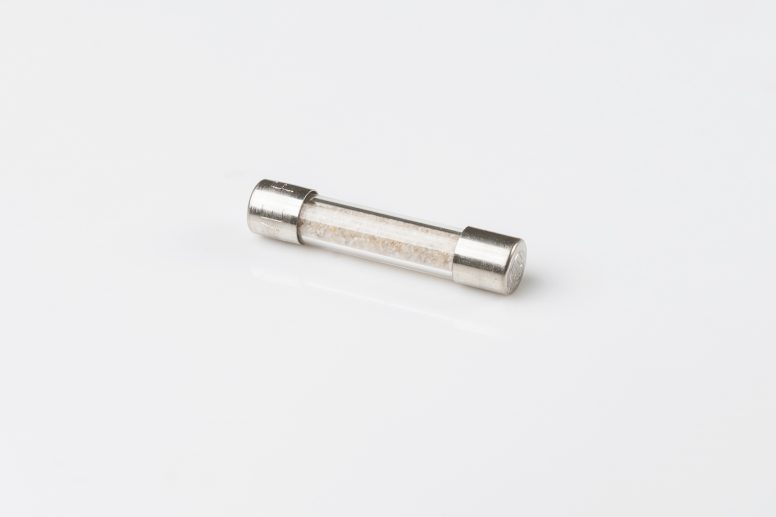
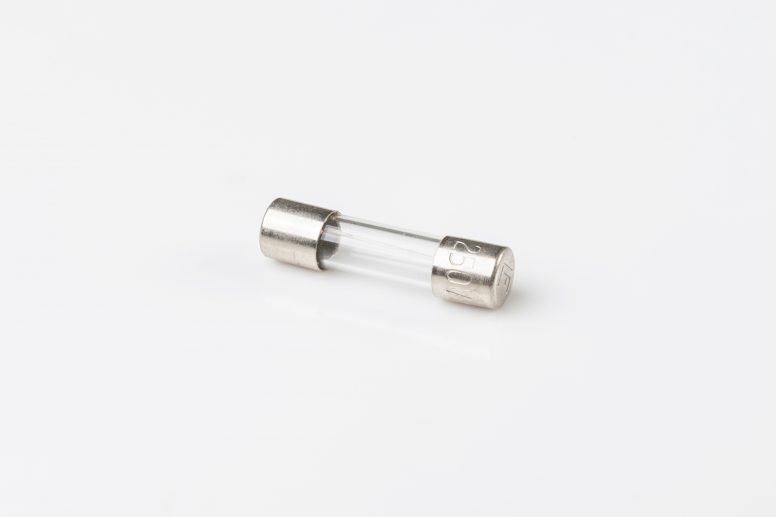
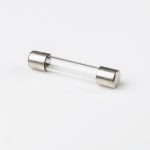
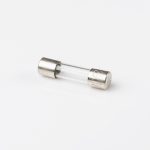
A Miniature Glass Fuse is a mini cartridge fuse with a transparent glass body, allowing the fuse element to be inspected visually without removing the fuse from its holder. A blackened or broken element indicates the fuse has blown. Miniature Glass Fuses are commonly used in audio equipment, laboratory instruments, and domestic appliances where easy visual checking is desirable.
Q5. What is a PCB Fuse?
A PCB Fuse is a miniature fuse-link designed for direct mounting onto a printed circuit board or for use in a PCB-mounted fuse holder. PCB Fuses protect sensitive electronic components and circuits from overcurrent damage. The Lawson Type MIN IEC 60127 Fuse range includes a variety of body sizes and ratings suitable for PCB fuse applications across consumer electronics, industrial controls, and instrumentation.
Q6. What is the difference between a quick-acting (F) and a time-lag (T) mini fuse?
A quick-acting (F) mini fuse operates very rapidly when the rated current is exceeded — it is designed for circuits where components cannot withstand even brief overcurrent conditions, such as semiconductor circuits and sensitive electronics. A time-lag (T) mini fuse, also known as a slow-blow fuse, can tolerate short-duration current surges (such as motor start-up currents or capacitor inrush) without blowing, while still protecting against sustained overcurrents. Selecting the correct type is essential for reliable circuit protection.
Q7. What current ratings are available in the Lawson Type MIN range?
The Type MIN Mini Fuse range covers current ratings from as low as 10mA up to 30A, making it one of the broadest miniature fuse ranges available. This wide spread of ratings makes the Type MIN suitable for everything from delicate low-power electronics to higher-current equipment protection. A full listing of current ratings by body size and type is available in the product information sheet.
Q8. Can a Mini Cartridge Fuse be used on a PCB?
Yes. Mini Cartridge Fuses in the 5×20, 5×25, and 6.2×32 formats can be used as PCB Fuses when mounted in suitable PCB-mount fuse holders. This allows the fuse to be easily replaced in service without soldering. For high-volume production designs, PCB-solderable fuse clips and holders are available to accommodate standard IEC 60127 Fuse body sizes.
Q9. What fuse holder is compatible with the Lawson Type MIN Miniature Fuse?
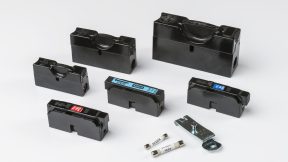
The Lawson Type SLY is a compatible fuse holder for miniature fuse-links, offering a secure, reliable mounting solution for Mini Fuse and Mini Cartridge Fuse applications. For PCB Fuse mounting, standard PCB-mount fuse clips and holders compatible with the relevant IEC 60127 body size should be used.
Q10. How do I select the correct IEC 60127 Fuse for my application?
Selecting the correct Mini Fuse involves considering the rated current of the circuit, the voltage rating required, the body size compatible with your fuse holder or PCB footprint, and whether a quick-acting or time-lag type is needed based on the load characteristics. For guidance, download the Type MIN product information sheet or contact the Lawson Fuses sales team for technical support.