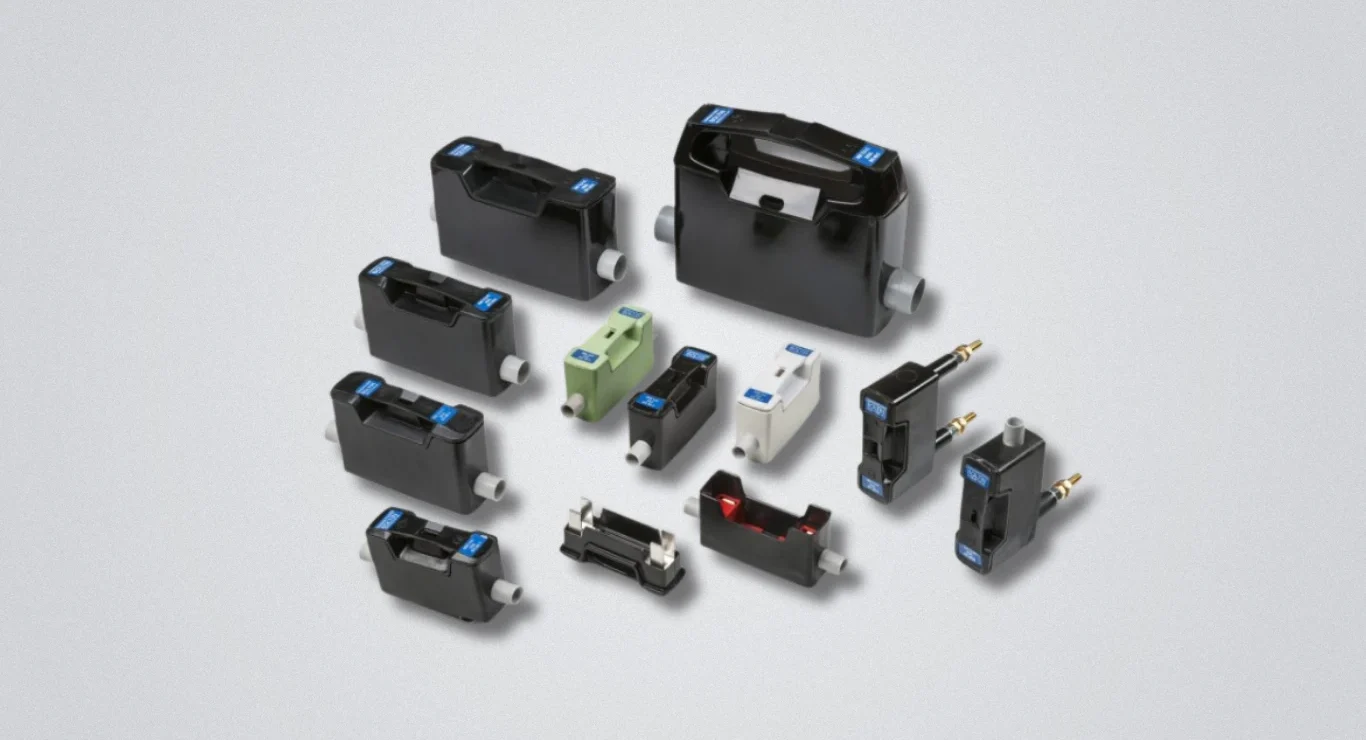
The absence of fuses or the presence of low-quality fuses in the electrical circuit is equally dangerous. Poor-quality fuses or choosing mismatched fuse types lead to inadequate protection against common electrical disasters, including overcurrent, short circuits, and overloads. The consequences of insufficient electrical protection are hazardous, including equipment failure and electrical fires. Preventing these disastrous consequences or minimizing damage requires installing high-grade safety components, such as an industrial-grade fuse and fuse holder.
According to Electrical Safety First, electricity is a significant cause of residential fires, affecting over 20,000 homes each year. Adding industrial disasters, the number of electrical fires is dangerously high. Fuses are among the first lines of defense against electrical fires and provide highly reliable protection. In this blog, we will cover the consequences of using low-quality fuses and holders to give a comprehensive view of the importance of choosing the right ones.
Significant Consequences of Using Low-Quality Fuses and Fuse Holders
Fuses have a wide range of application areas and are extensively used in residential, commercial, and industrial settings. The following points discuss the extremely dangerous results of using low-quality fuses and fuse holders in each of the application areas:
1. Electrical Fires and Explosions
Low-quality fuses may let the high fault current through without melting, allowing it to reach the electrical appliances. When this high fault current comes into contact with sensitive appliances, it can raise the temperature above the tolerated limit, igniting the appliance. Also, due to poor construction or the use of cheap building material, the fuse and fuse holder may themselves catch fire or even explode in the worst-case scenario. Other fuse-related causes of electrical fires include mismatching the fuse to the application type and failing to select the appropriate breaking capacity, current rating, voltage rating, and other critical factors.
2. Insufficient Arc Suppression
Electrical arcs are caused when the fault current passes through the molten fuse wire. A high-quality HRC fuse consists of quartz or sand that suppresses the arc. Additionally, the durable fuse body prevents the high-temperature arc from escaping. However, low-quality fuses lack both a durable body and an effective arc-suppression medium, leading to fires, explosions, and damage to nearby appliances.
3. Irreversible Damage to Expensive Equipment
Fuses are used in industrial equipment to protect it from short circuits, high fault currents, and surges during startup. Poor-quality fuses use a cheap fuse element, which significantly reduces the accuracy of the response timing and puts expensive industrial equipment at risk. This also proves another point that even though high-quality fuses and fuse holders are costly, they prove to be highly cost-effective in the long run.
4. Unnecessary Tripping
Low-quality fuses can trip unnecessarily, preventing non-faulty current from passing and breaking the circuit. Imprecise fuse design, inaccurate fuse parameters, and the absence of compliance testing are among the key reasons for this nuisance tripping.
5. Increased Downtime in Industries
Fuse holders ensure a secure connection, and fuse carriers enable easy, safe fuse replacement. Thus, a poorly made fuse carrier and fuse holder pose a significant threat to electrical safety. It can lead to loose connections, misalignment, increased downtime, and make fuse replacement significantly risky.
6. Flickering in Household Appliances
Residential fuses are used in household circuits before each appliance to ensure the fuse breaks the circuit before overcurrent reaches sensitive applications. Subpar end connections result in poorly or loosely fitted fuses, causing intermittent connections. As a result, it causes voltage fluctuations that reduce the appliance’s lifespan.
7. Regulatory or Legal Compliance Risks for Industrial Manufacturers
Regardless of industry, fuses used in large-scale manufacturing facilities must meet strict international standards. In order to meet these standards, the fuse and holder are required to satisfy numerous requirements, including:
- Breaking capacity
- Temperature Rating
- Time-current Characteristics
- High-quality build material
- Safety certifications
- Standard physical dimensions
Low-quality or cheap fuses fall short in meeting most of the requirements mentioned above. This results in subpar protection and also introduces unreliability. Fuses that do not meet the standards do not fit with standard holders and fail to interrupt the designated fault currents.
Difference between Low-Quality and High-Quality Fuses
The table below summarizes the key differences:
| Feature / Parameter | Low-Quality Fuse | High-Quality Fuse |
| Material Quality | Uses cheap metals and fillers; prone to corrosion | Uses high-grade metals and ceramic/glass fillers; durable |
| Current Rating Accuracy | Often inaccurate; may blow too early or too late | Precisely rated; reliable protection |
| Breaking Capacity | Low; may fail to interrupt high fault currents | High; can safely interrupt large overcurrents |
| Response Time | Inconsistent; may respond too slowly or too fast | Accurate and consistent response time |
| Temperature Tolerance | Poor; can deform or fail in high temperatures | Can withstand high temperatures safely |
| Safety Standards Compliance | Often non-compliant with international standards | Certified to IEC/UL/ANSI standards |
| Lifespan / Durability | Short; prone to oxidation, wear, and damage | Long-lasting; resistant to wear and environmental factors |
| Cost | Cheap upfront but higher risk/cost over time | Higher initial cost, but cost-effective in the long term |
| Application Suitability | Limited to low-risk or temporary setups | Suitable for critical, industrial, and high-load applications |
Reliable and Complete Electrical Safety Solutions Since 1938 by Lawson Fuses
As the leading industrial fuse supplier and manufacturer, Lawson Fuses transforms electrical security for residential, commercial, and industrial applications. Recognizing the importance of high-grade fuses for electrical protection, we design and manufacture fuses that meet global quality standards. Our competence and reliability are rooted in our decades of experience in manufacturing fuses, fuse holders, and other electrical safety components. As the technological landscape evolves, we have also updated our systems to enhance reliability.
Why Trust Us?
- Over 70 years of experience
- Large manufacturing facility along with advanced Research & Development sectors
- Global reach to over 50 countries
- Compliance with international standards, and certification including IEC, ASTA 20, ISO 9001, ISO/IEC 17025
FAQs
Q.1: Why are electrical fires more dangerous?
A: Electrical fires are more dangerous because of the following reasons:
- Rapid Spread – Electrical fires can quickly ignite surrounding insulation, wiring, and flammable materials.
- Hidden Origin – Often starts inside walls, outlets, or panels, making them hard to detect early.
- Toxic Smoke – Burning plastics and wiring releases toxic gases such as carbon monoxide and hydrogen chloride.
- High Temperature – Can reach extreme heat rapidly, melting metals and damaging nearby systems.
- Re-ignition Risk – Damaged live wires can spark again even after the visible fire is out.
- Difficult to Extinguish – Water cannot be used safely due to the risk of electric shock; special extinguishers are required.
Q.2: What should I do after the fuse blows?
A: Turn off the main power switch as soon as the fuse blows to prevent arcs and fire. Carefully inspect the blown fuse and replace it with a new one. While replacing a fuse is easy in household applications, industrial fuses require professional electricians.
Q.3: What is a fuse holder, and why is it used?
A: A fuse holder is a protective cover for fuses to protect them from external factors such as temperature and moisture. Another primary application of fuse holders is to keep the fuse firmly connected, with no loose ends. Moreover, fuse holders make the fuse replacement process highly convenient and safe.
Q.4: Why are high-quality fuses expensive?
A: High-quality fuses are surely expensive. However, they justify their price and prove cost-effective in the long run. The following reasons explain the high price for high-quality fuses:
- Premium Materials – Made from high-conductivity metals and durable ceramics or glass that ensure stable performance.
- Tight Manufacturing Tolerances – Precision engineering guarantees consistent current and voltage ratings.
- Rigorous Testing – Each batch undergoes thermal, electrical, and mechanical stress testing for reliability.
- High Breaking Capacity – Designed to interrupt large fault currents without exploding or arcing safely.
- Compliance with International Standards – Certified under IEC, UL, or ANSI, which adds testing and certification costs.
- Longer Service Life – Superior build quality reduces the frequency of replacement, justifying the higher cost.