Q1. What is an NH Fuse?
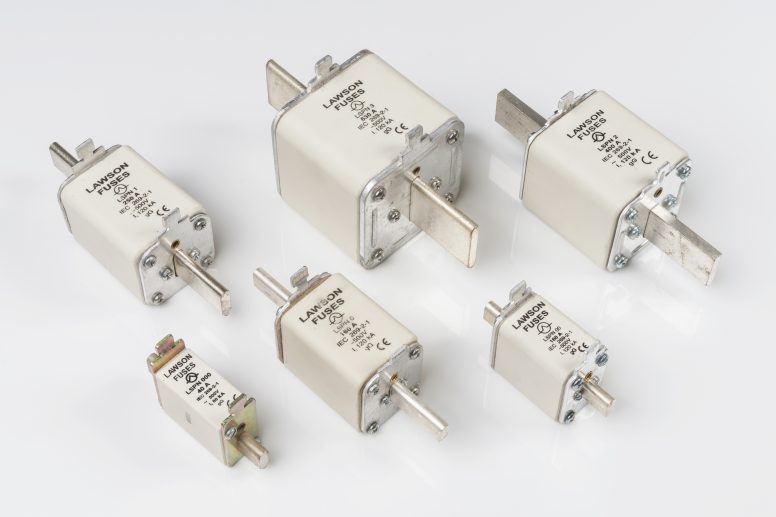
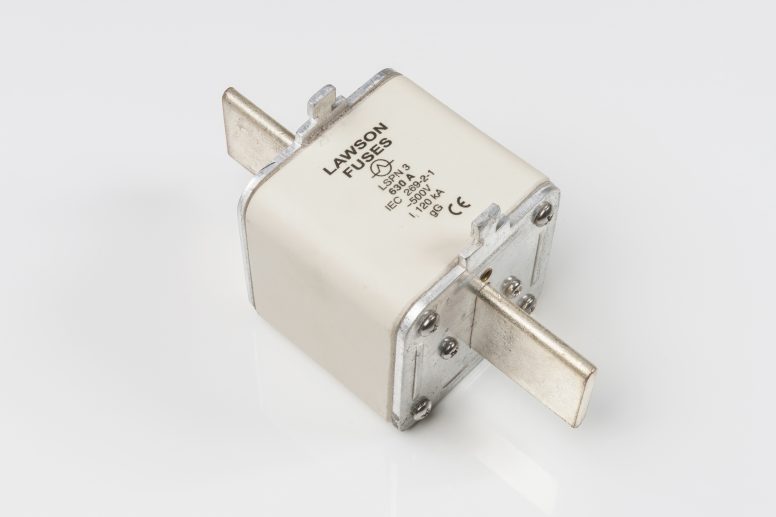
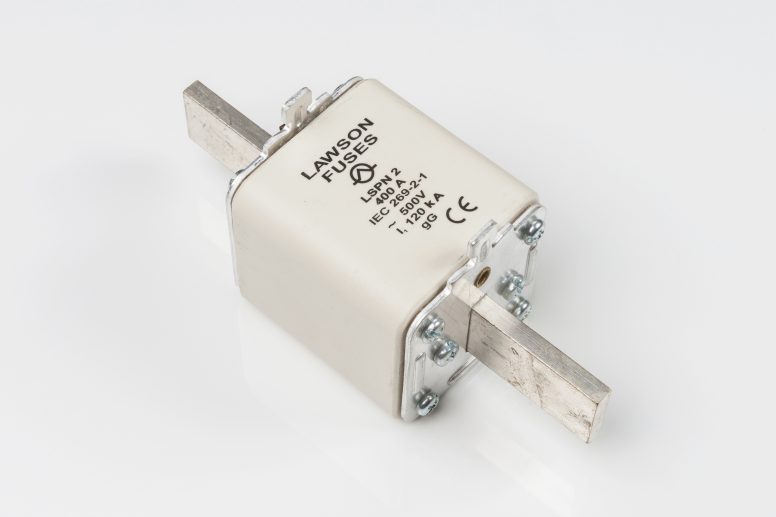
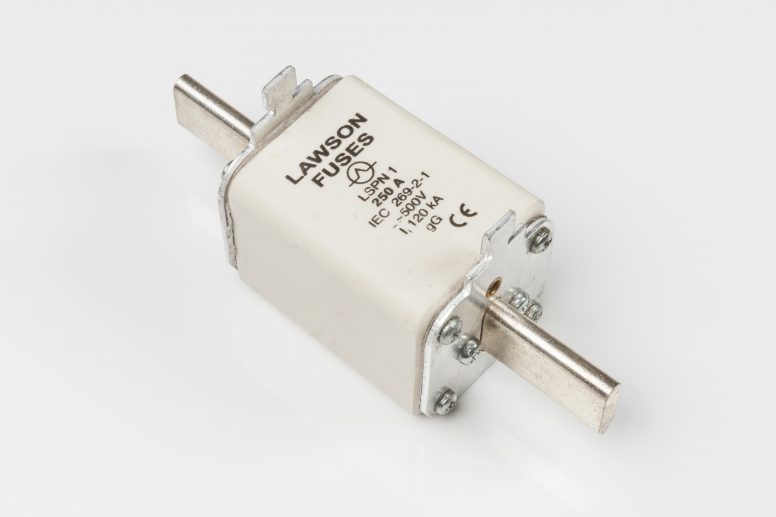
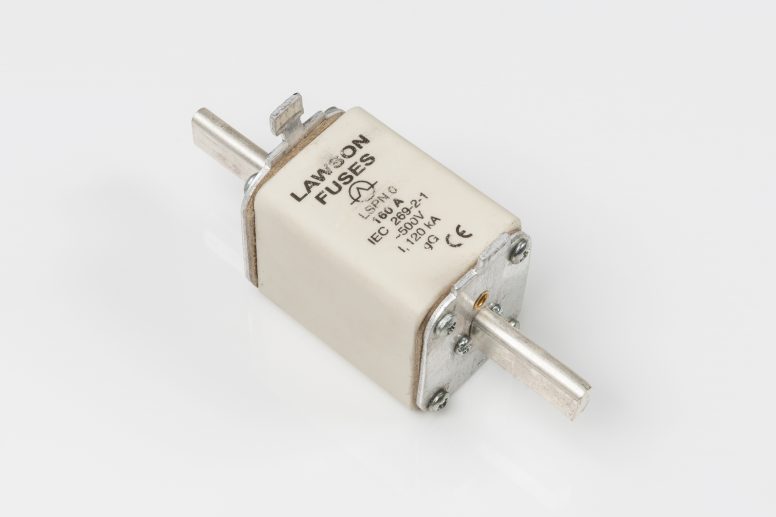
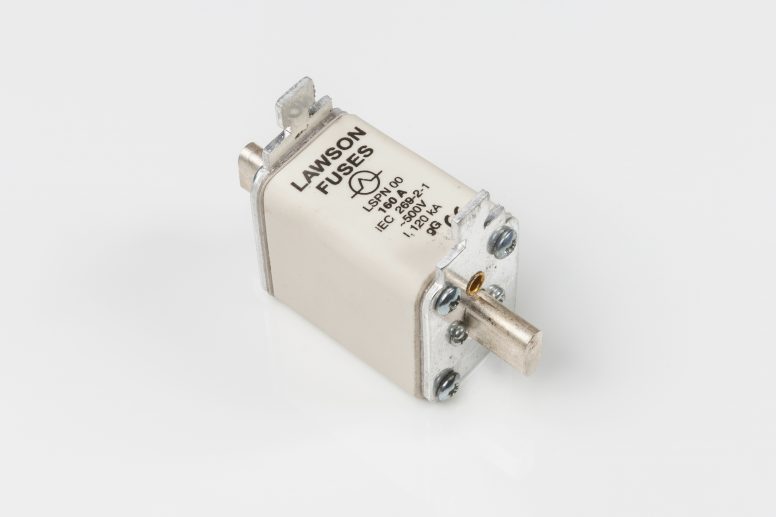
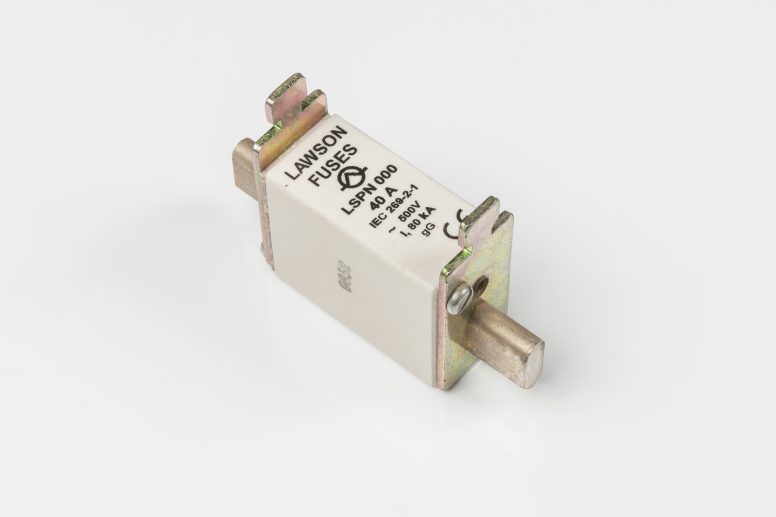
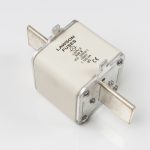
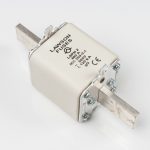
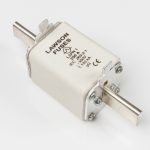
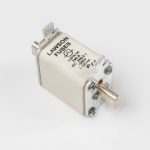
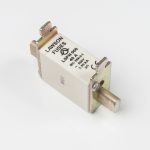
An NH Fuse (Niederspannungs-Hochleistungs-Sicherung, meaning low-voltage high-power fuse) is a high-rupturing-capacity industrial fuse-link characterised by its rectangular ceramic body (Square Body Fuse) and flat metal blade-style contacts (Knife Blade Fuse) on each end. NH fuse-links are manufactured from a rectangular ceramic casing surrounded by a cover plate with a metal blade style terminal on each end, with the fuse element inside the casing connected to the cover plate and blade terminals. The NH Fuse system is the most widely used industrial HRC fuse format in Europe and internationally, standardised under IEC 60269-2 and DIN standards.
Q2. What is a Knife Blade Fuse?
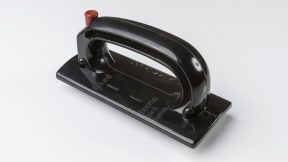
A Knife Blade Fuse is an NH fuse-link named after its distinctive flat, blade-shaped metal contacts on each end of the fuse body — as opposed to the round end-caps of cylindrical fuses or the threaded end-caps of Diazed and Neozed fuses. When an NH Fuse link is inserted into its fuse base using an NH fuse handle, the knife blade contacts engage with spring-loaded clips in the base, creating a firm, low-resistance connection that can withstand the mechanical and thermal stresses of high fault current interruption.
Q3. What is a DIN Type Fuse?
A DIN Type Fuse refers to an NH fuse-link conforming to the DIN (Deutsches Institut für Normung) dimensional standards for the NH fuse system — which are harmonised with IEC 60269-2 and used internationally. All Lawson Type LSPN/DIN NH Industrial Fuse Links are manufactured to DIN/IEC 60269-2 dimensional standards, ensuring compatibility with all DIN NH fuse bases, switches, and distribution equipment from any manufacturer conforming to the same standard.
Q4. What is the difference between NH Fuse sizes 000, 00, 0, 1, 2, and 3?
NH fuse sizes define the physical body dimensions of the Square Body Fuse and the maximum current rating each size can accommodate. Size 000 is the smallest (up to 63A), followed by Size 00 and Size 0 (up to 160A), Size 1 (up to 250A), Size 2 (up to 400A), and Size 3 (the largest, up to 630A). Importantly, NH fuse sizes are not interchangeable — a Knife Blade Fuse of one size will not fit a fuse base designed for a different size. Always confirm the NH size of the installed fuse base before ordering replacement NH Fuse Links.
Q5. What is a Single Indicator Fuse?
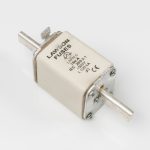
A Single Indicator Fuse is an NH Fuse link fitted with a visible blown fuse indicator — typically a small striker pin or indicator button that becomes visible on one face of the fuse body when the fuse element has operated. This allows maintenance personnel to quickly identify a blown Knife Blade Fuse during panel inspection without needing test equipment, significantly reducing fault diagnosis time and downtime.
Q6. What are NH Fuse Links Dual Indicator?
NH Fuse Links Dual Indicator are NH Industrial Fuse Links fitted with a blown fuse indicator visible from both sides of the fuse body. This is particularly useful in busbar-mounted assemblies, back-to-back panel configurations, or any installation where only one face of the fuse base may be accessible for inspection. Dual indicator variants make fault identification faster and safer in complex industrial panel environments.
Q7. What is an HRC Fuse and how does it relate to NH Fuses?
An HRC Fuse (High Rupturing Capacity Fuse) is a general term for any fuse-link capable of safely interrupting very high fault currents — typically above 50kA. The NH Fuse is the most common industrial HRC fuse format, with breaking capacities of up to 120kA at 500V a.c. The ceramic body and quartz sand fill of the NH Square Body Fuse are specifically engineered to absorb and extinguish the arc energy generated during high fault current interruption, preventing explosive failure or arc flashover to adjacent components.
Q8. What is the difference between gG and gM NH Fuse Links?
A gG NH Fuse provides full-range general purpose overcurrent protection — protecting cables and equipment against both overload currents and short-circuit currents across the complete current range. A gM NH Fuse Link is a motor circuit protection variant that tolerates the short-duration starting inrush current of DOL or star-delta motor starters without nuisance operation, while still providing full overcurrent protection. For motor circuit applications, the gM variant should be specified; for general cable and sub-circuit protection, the gG variant is appropriate.
Q9. What semiconductor protection variants are available in the LSPN/DIN range?
The Type LSPN/DIN range includes semiconductor protection variants specifically designed for the protection of power semiconductor devices — including thyristors, diodes, IGBTs, and rectifier bridges — within the NH knife blade fuse format. These variants have fast-acting operating characteristics matched to the I²t withstand ratings of semiconductor devices, providing ultra-fast fault current interruption before semiconductor damage can occur. Contact the Lawson Fuses sales team for details of available semiconductor protection ratings and sizes.
Q10. What fuse handle and fuse base are required for the Lawson Type LSPN/DIN NH Fuse?
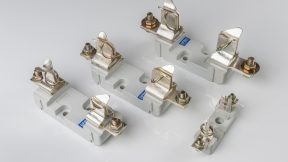
The Lawson Type LSPN/DIN NH Fuse Links are designed to be used with the Lawson Type DFB NH Fuse Base (available in sizes 00, 1, 2, and 3) and the Lawson Type LUCH NH Universal Replacement Handle, which is used to safely insert and extract Knife Blade Fuse links from energised or dae-energised NH fuse bases. The NH fuse base size must match the NH fuse-link body size being installed. Contact the Lawson Fuses sales team for a complete Type LSPN/DIN DIN Type Fuse system specification.