Q1. What is a Time Limit Fuse?
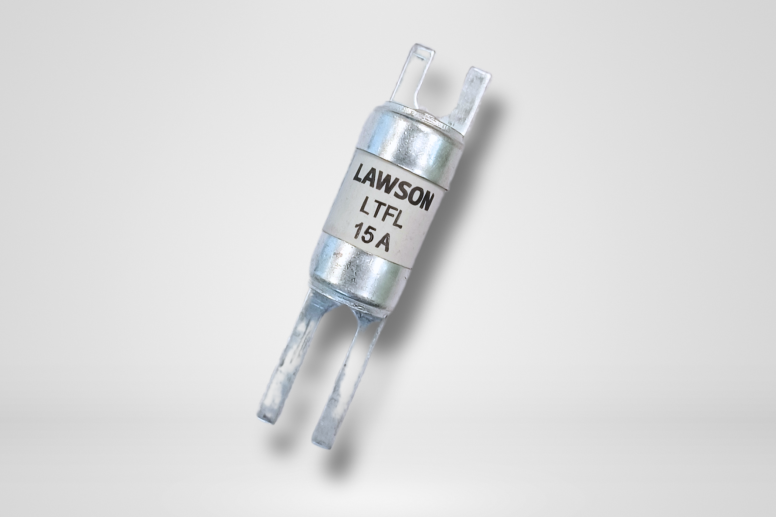
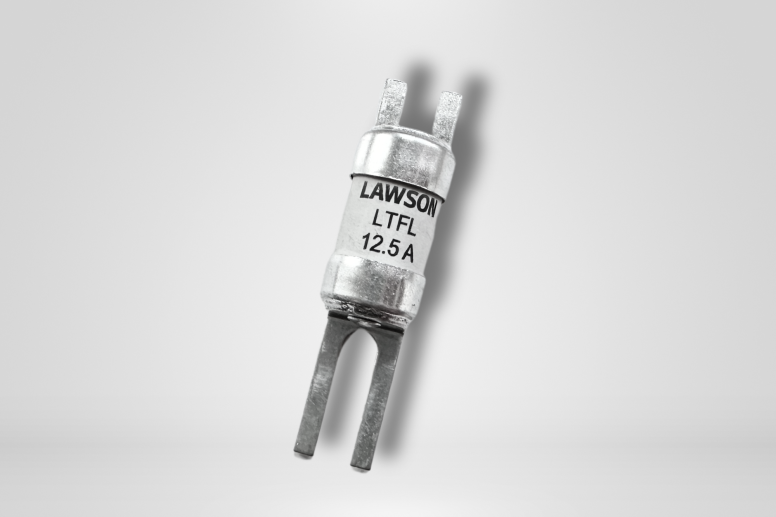
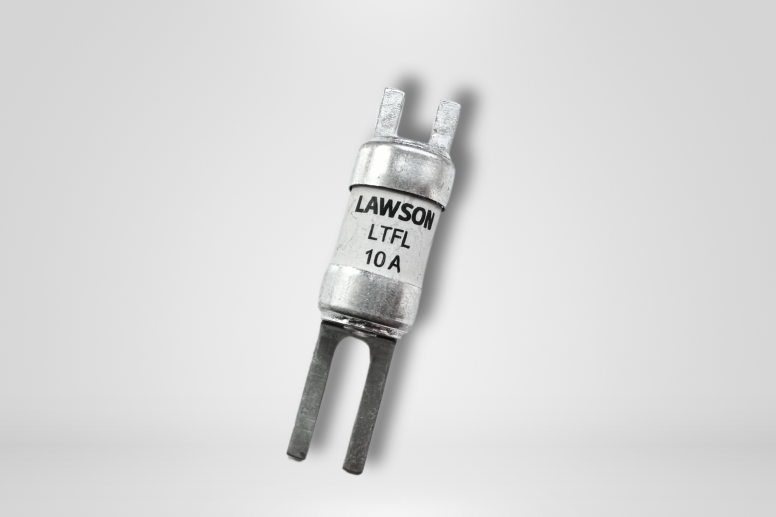
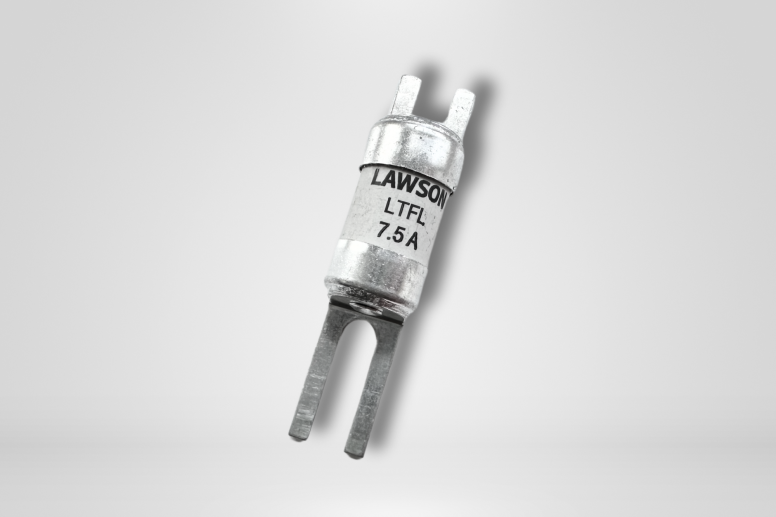
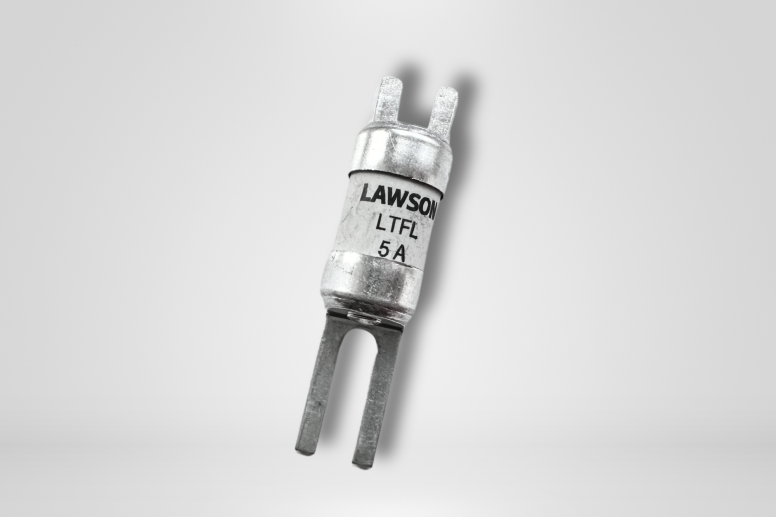
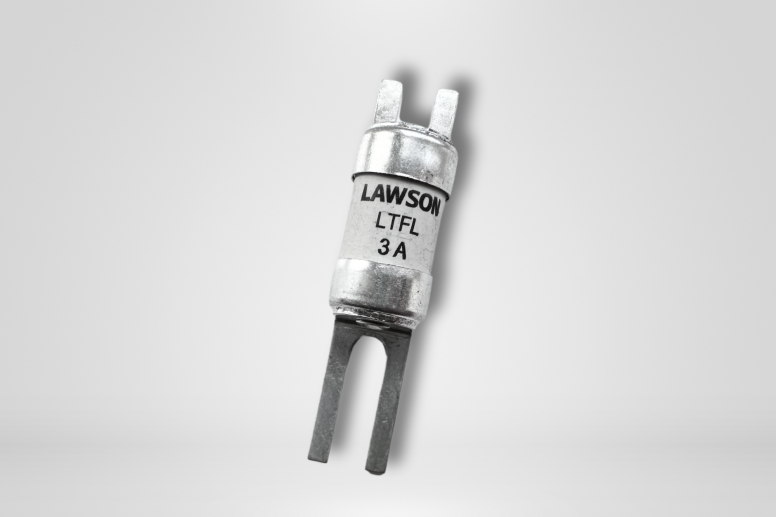
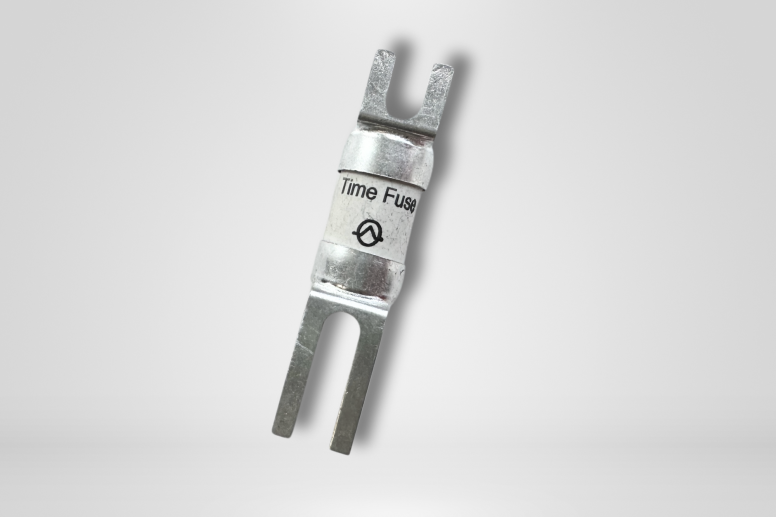
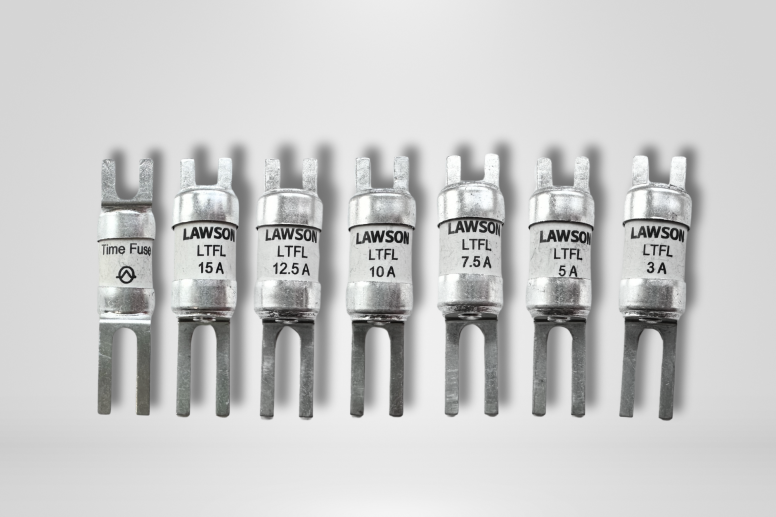
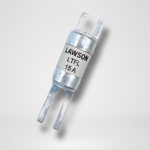
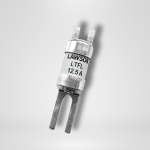
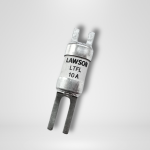
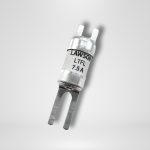
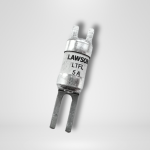
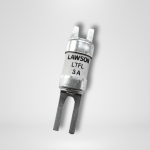
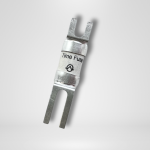
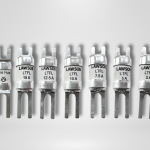
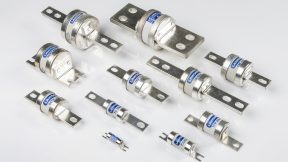
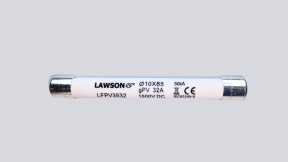
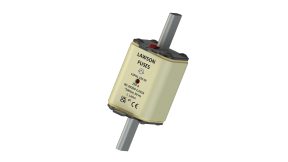
A Time Limit Fuse (LTFL) is a specialist protection component used with current transformer trip release coils on medium-voltage circuit breakers to provide time-limited overcurrent protection for distribution transformers. Unlike a standard fuse-link which operates on a fixed time-current characteristic, the Time Limit Fuse is designed to introduce a deliberate, controllable time delay into the protection trip signal — allowing the protection scheme to discriminate between transient overloads and sustained fault conditions before initiating a circuit breaker trip. The Lawson Type LTFL is a Time Limit Fuse compliant with ENA TS 12-6, for use with 6.6kV, 11kV, and 20kV distribution switchgear protecting transformers rated 200kVA to 1,500kVA.
Q2. What is an LTFL Fuse?
An LTFL Fuse is the component designation used for the Lawson Type LTFL Time Limit Fuse link range — a specialist protection device for distribution transformer protection schemes on UK electricity networks. The “LTFL” designation refers to the Lawson Time-Limited Fuse-Link range, covered by ENA Technical Specification 12-6 published by the Energy Networks Association. The LTFL Fuse is used in conjunction with current transformer trip release coils on medium-voltage circuit breakers in RMU switchgear and similar distribution equipment.
Q3. What is an RMU Fuse?
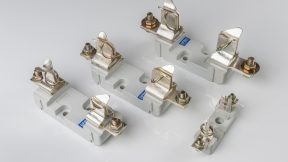
An RMU Fuse is a fuse-link or protection component used within a Ring Main Unit (RMU) — the compact medium-voltage switchgear assembly used at distribution transformer substations throughout the UK electricity network. In a typical RMU installation, the transformer feeder circuit is equipped with protection components including the Time Limit Fuse, which works with current transformers and trip release coils to provide overcurrent protection and time-discrimination for the distribution transformer. The Lawson Type LTFL LTFL Fuse is the approved RMU Fuse for ENA TS 12-6 compliant protection schemes on UK distribution networks.
Q4. What is ENA TS 12-6 and why does it matter?
ENA TS 12-6 is the Energy Networks Association Technical Specification that defines the requirements for Time Limit Fuse link components used with current transformer trip release coils for distribution transformer protection in the UK. It sets out the electrical characteristics, physical dimensions, and test parameters that LTFL Fuse components must satisfy for use in approved protection schemes on 6.6kV, 11kV, and 20kV distribution networks. Any RMU Fuse or Time Limit Fuse used in a DNO-approved distribution protection scheme must comply with ENA TS 12-6 — non-compliant components cannot be used in UK electricity distribution network protection applications.
Q5. What size distribution transformers does the LTFL Fuse protect?
The Lawson Type LTFL Time Limit Fuse is designed to protect distribution transformers with rated powers from 200kVA to 1,500kVA connected to 6.6kV, 11kV, or 20kV distribution networks. Distribution transformers with rated powers exceeding 1,500kVA are intended to be protected by relays rather than the LTFL fuse-link system — as stated in ENA TS 12-6.
Q6. What voltages is the Type LTFL LTFL Fuse designed for?
The Lawson Type LTFL RMU Fuse is primarily designed for use with standard 6.6kV, 11kV, and 20kV distribution switchgear — the three principal medium-voltage distribution levels used across the UK electricity network. It may also be used with other compatible circuit breakers where the protection scheme meets the requirements of ENA TS 12-6.
Q7. How does the LTFL Fuse work with a current transformer trip release coil?
In a Type LTFL protection scheme, a current transformer (CT) monitors the current flowing to the distribution transformer. When the measured current exceeds the protection threshold, the CT energises the trip release coil on the circuit breaker. The Time Limit Fuse — installed in the trip release coil circuit — introduces a time delay before the trip coil operates, providing a time-graded response that allows transient overcurrents to pass without tripping while ensuring the circuit breaker trips promptly on sustained fault conditions. Each protection element is fitted with one conventional a.c. trip release coil per phase.
Q8. What is a Ring Main Unit and where is it used?
A Ring Main Unit (RMU) is a compact, self-contained medium-voltage switchgear assembly used at distribution transformer substations in underground cable distribution networks throughout the UK and internationally. RMUs combine compact footprint with clear mechanical interlocks, providing switching and earthing actions that follow a safe sequence, and are often described by “ways” — the number of functional units, with a typical 3-way RMU comprising ring in, ring out, and transformer feeder. The transformer feeder in an RMU is typically equipped with protection components including an RMU Fuse or LTFL Fuse to protect the connected distribution transformer from overcurrent and fault conditions.
Q9. Can the Type LTFL LTFL Fuse be used with any circuit breaker?
The Lawson Type LTFL Time Limit Fuse is primarily designed for use with standard 6.6kV, 11kV, and 20kV distribution switchgear circuit breakers complying with ENA TS 12-6. It may also be used with other compatible circuit breakers equipped with conventional a.c. trip release coils — provided the installation meets the requirements of ENA TS 12-6 and the protection scheme has been verified by a suitably qualified protection engineer. Always confirm compatibility with the specific switchgear manufacturer and the relevant DNO’s approved equipment list before specifying the LTFL Fuse for a specific installation.
Q10. How do I order the Lawson Type LTFL Time Limit Fuse?
The Lawson Type LTFL Time Limit Fuse, LTFL Fuse, and RMU Fuse range is available through the Lawson Fuses sales team. Due to the specialist nature of this product and its use in DNO-approved distribution network protection schemes, contact Lawson Fuses directly for technical specifications, pricing, availability by transformer rating and network voltage, and application support for your distribution protection scheme.