Q1. What is a House Service Fuse?
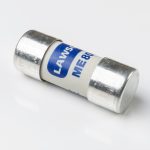
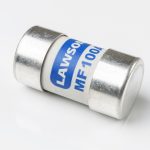
A House Service Fuse is the fuse-link installed in the service cut-out at the origin of a domestic or light commercial electrical installation — the sealed unit located between the electricity metre and the consumer unit (fuse board). It is the responsibility of the Distribution Network Operator (DNO) and protects the incoming service cable from overcurrent faults. The Lawson Type ME (Type IIa Fuse / 22×57 Fuse) and Type MF (Type IIb Fuse / 30×57 Fuse) are the standard UK House Service Fuse products conforming to IEC 60269-3, BS 88-3, and BS 1361.
Q2. What is a House Electric Fuse and where is it located?
A House Electric Fuse — also known as a House Service Fuse or service head fuse — is the main incoming supply fuse for a domestic property. It is located inside the sealed service cut-out unit, typically found near the electricity metre in a cupboard, hallway, or under the stairs. The fuse-link sits inside a fuse carrier within the sealed cut-out base and protects the service cable running from the street distribution network to the property. This fuse is sealed by the DNO and should not be accessed by the householder.
Q3. What is the difference between a Type IIa Fuse and a Type IIb Fuse?
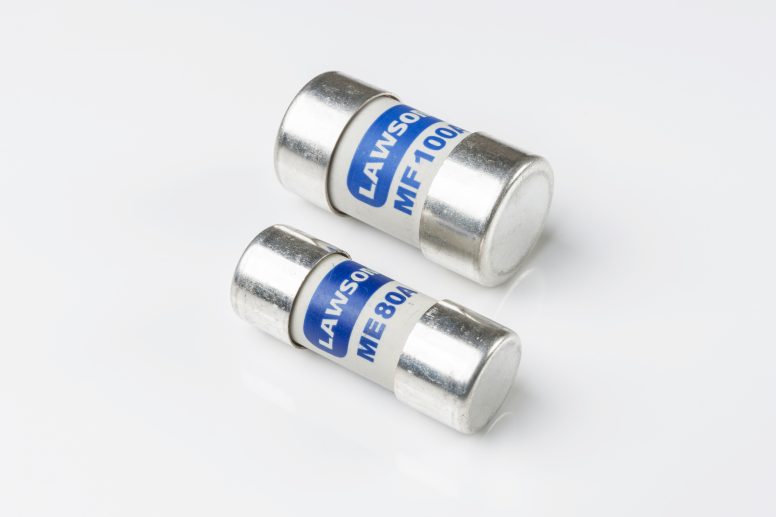
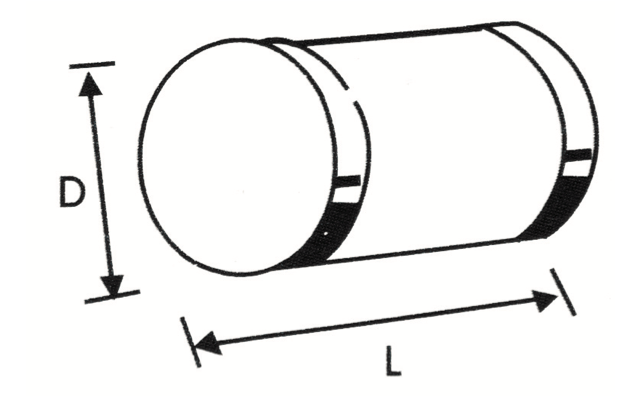
The Type IIa Fuse (ME series, 22×57 Fuse) and Type IIb Fuse (MF series, 30×57 Fuse) are the two physical types of house service fuse-link defined by BS 1361. Both are 57mm in length, but they differ in diameter — the Type IIa measures 22.23mm in diameter, while the Type IIb measures 30.16mm in diameter. The two types are not interchangeable and must always be matched to the specific cut-out equipment being serviced. The Type IIa (ME) is the more widely used of the two, found in the majority of UK domestic service cut-outs.
Q4. What is a 22×57 Fuse?
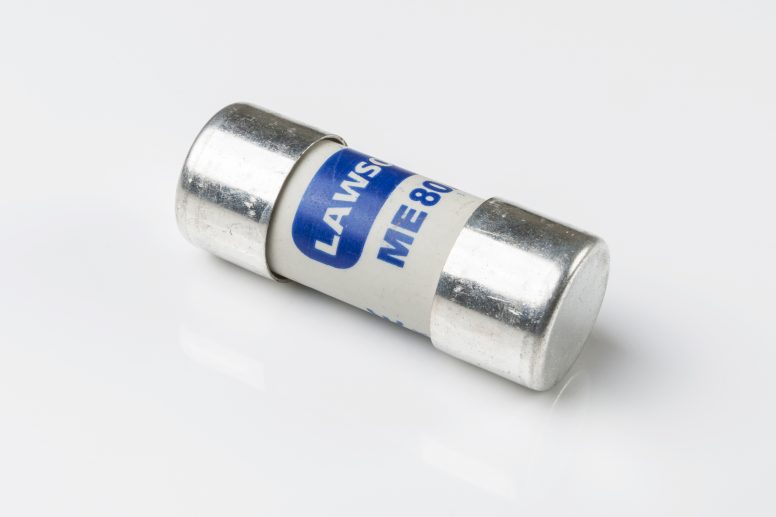
A 22×57 Fuse is the physical description of the Lawson Type ME House Service Fuse — a cylindrical fuse-link measuring 22.23mm in diameter and 57mm in length. It corresponds to the BS 1361 Type IIa Fuse and is the standard House Electric Fuse used in the most common type of UK domestic service cut-out. The ME 22×57 Fuse is available in current ratings from 5A to 100A, with the 100A rating being the most commonly specified for standard single-phase domestic supplies.
Q5. What is a 30×57 Fuse?
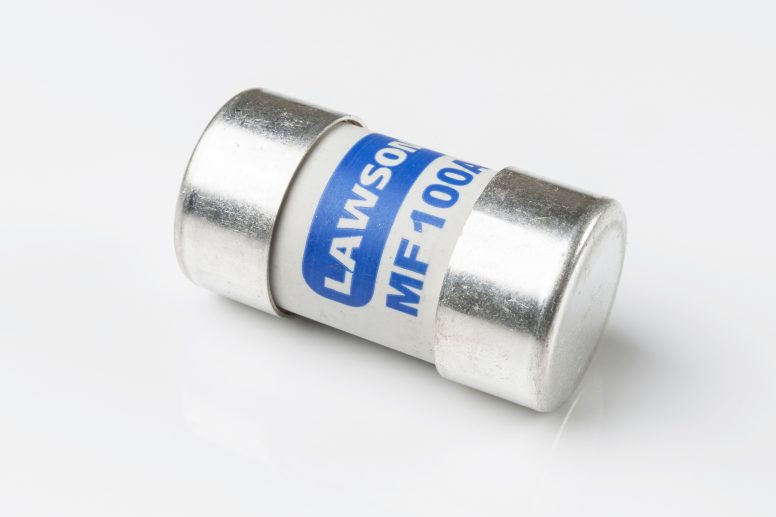
A 30×57 Fuse is the physical description of the Lawson Type MF House Service Fuse — a cylindrical fuse-link measuring 30.16mm in diameter and 57mm in length. It corresponds to the BS 1361 Type IIb Fuse and is used in service cut-outs with the larger-diameter fuse housing. The MF 30×57 Fuse is available in current ratings from 16A to 100A and is used where the installed cut-out equipment requires the larger Type IIb format.
Q6. What current rating is the standard Replacement Fuse for House service cut-outs?
The most common Replacement Fuse for House service cut-outs in UK single-phase domestic installations is the 100A House Service Fuse — either the ME 100 (Type IIa / 22×57 Fuse) or MF 100 (Type IIb / 30×57 Fuse), depending on the type of cut-out equipment installed. However, the correct current rating must always be confirmed by reference to the existing fuse-link or the DNO’s records for the installation. The Type ME range also covers lower ratings (5A to 80A) for smaller or older supply connections.
Q7. What breaking capacity does the Lawson House Service Fuse have?
The standard BS 1361 breaking capacity for the Type ME and MF House Service Fuse is 33kA at 0.3 p.f. However, all Lawson ME and MF fuse-links have been ASTA Certified to an enhanced breaking capacity of 80kA at 0.15 p.f. — substantially exceeding the standard requirement. This enhanced breaking capacity provides a greater safety margin in installations where the prospective fault level at the service cut-out is higher than the standard figure, such as in urban areas or premises located close to supply transformers.
Q8. What standards does the Lawson Type ME & MF House Service Fuse comply with?
The Lawson Type ME (Type IIa Fuse / 22×57 Fuse) and Type MF (Type IIb Fuse / 30×57 Fuse) comply with IEC 60269-3 (the international standard for household and similar fuse-links) and BS 88-3 (the British Standard equivalent), as well as the traditional BS 1361 standard for house service fuse-links. The ME 100A fuse-link is specifically tested to BS 1361. All products are ASTA Certified to the ASTA 20 Scheme.
Q9. Can I replace my House Electric Fuse myself?
No. The house service cut-out fuse is sealed by the Distribution Network Operator (DNO) and it is an offence to tamper with the sealed service cut-out. Only the DNO or an authorised person can replace a House Electric Fuse in a sealed service cut-out. If your house service fuse has operated — causing a total loss of supply that is not resolved by resetting the consumer unit RCDs or MCBs — you should contact your DNO’s 24-hour emergency line. Do not attempt to access or replace the fuse yourself.
Q10. How do I identify which type of House Service Fuse I need as a replacement?
Identifying the correct Replacement Fuse for House service cut-outs requires knowing the BS 1361 type (Type IIa or Type IIb) and current rating of the existing fuse-link. The type is determined by the physical size of the fuse carrier in the cut-out — Type IIa (22×57 Fuse / ME series) or Type IIb (30×57 Fuse / MF series). The current rating is marked on the existing fuse-link or fuse carrier. Replacement should only be carried out by the DNO or an authorised person. For trade supply and technical enquiries, contact the Lawson Fuses sales team or your authorised electrical wholesaler.