Q1. What is a Diazed Fuse?
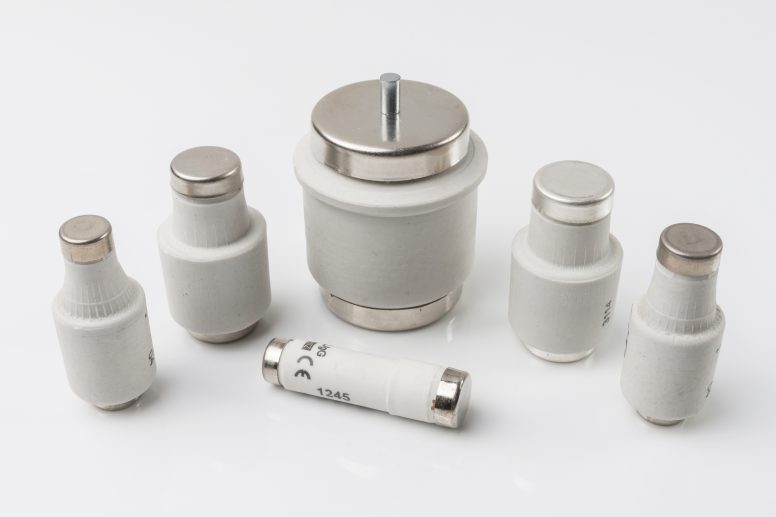
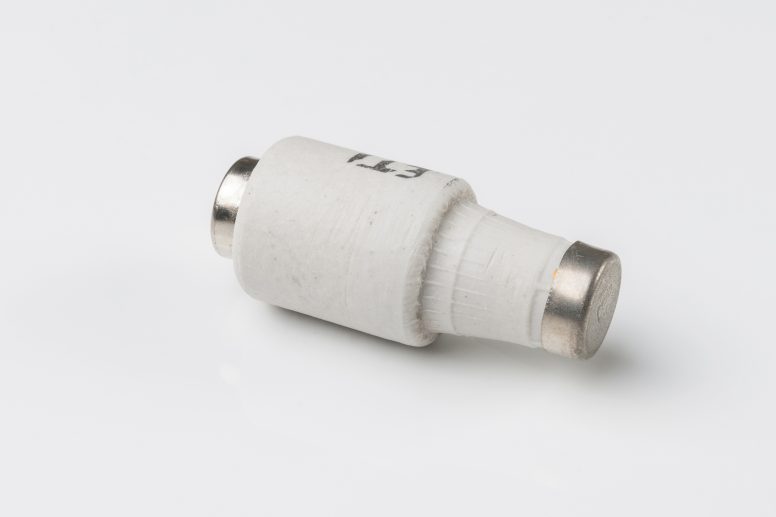
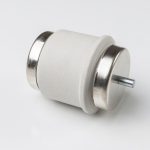
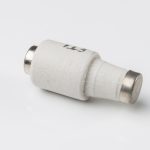
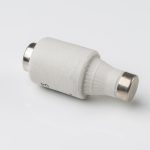
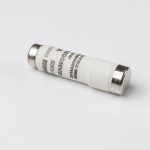
A Diazed Fuse is a D-type bottle-shaped ceramic HRC fuse-link used in the Diazed screw-cap fuse system. Introduced by Siemens in 1909 and standardised under IEC 60269-3, the Diazed Fuse is held in position by a screw cap carrier screwed into a fixed fuse base. The Lawson Type LD Diazed Fuse is available in 400V and 500V ratings from 2A to 200A across five body sizes, in both slow-acting (gG) and quick-acting variants, with motor circuit and semiconductor protection variants also available.
Q2. What is a Screw Type Fuse?
A Screw Type Fuse is a fuse-link designed to be secured in a fuse holder by a threaded screw cap mechanism. In the Diazed system, the Screw Type Fuse (the fuse-link itself) sits inside the screw cap carrier, which is then screwed into the fixed fuse base to make contact. The screw-in mechanism provides a secure, vibration-resistant connection and allows the fuse to be replaced tool-free by hand — simply by unscrewing the cap, removing the blown fuse, inserting a new one, and screwing the cap back in.
Q3. What is a Bottle Type Fuse?
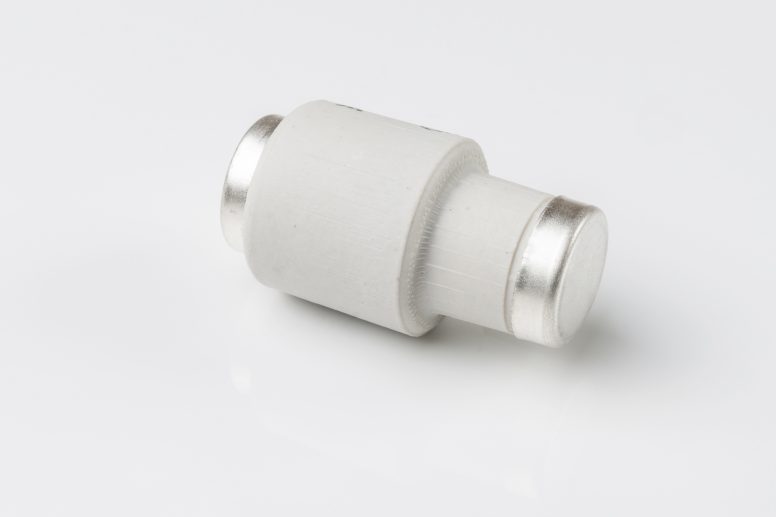
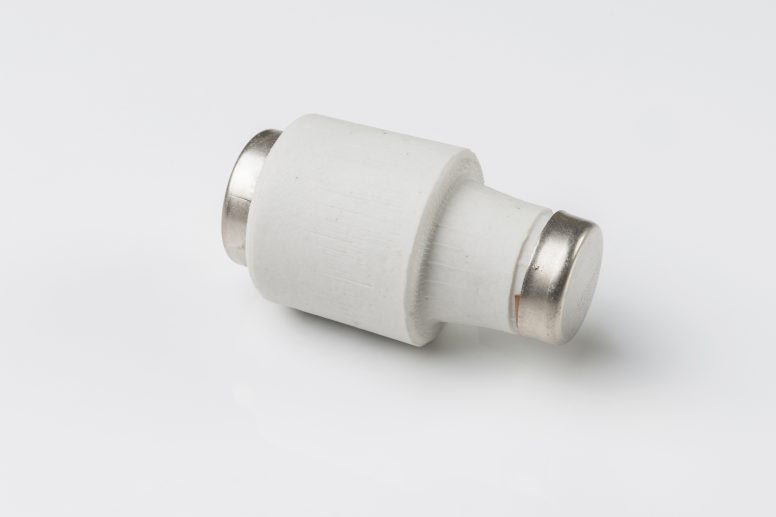
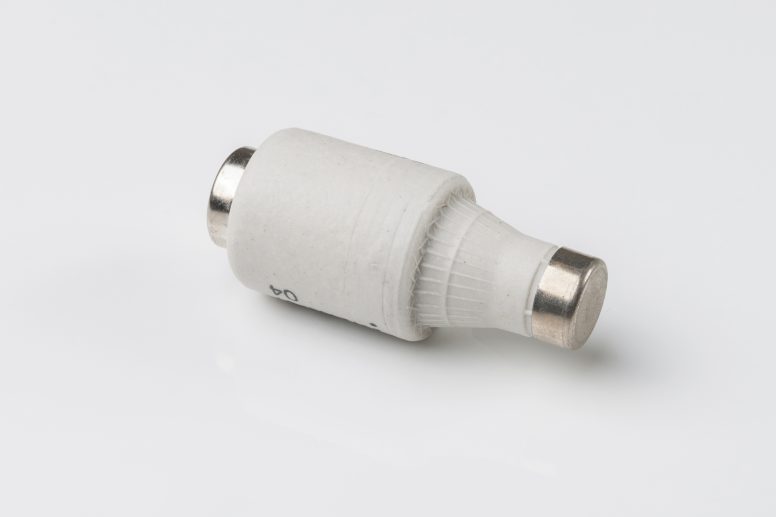
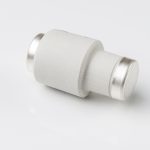
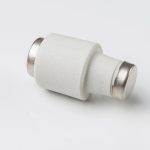
A Bottle Type Fuse is the common informal name for the Diazed fuse-link, named after its distinctive bottle-shaped ceramic body — wider in the middle and tapering to a narrower end cap. The diameter of the end cap varies according to the current rating of the fuse: higher current ratings have larger end cap diameters, while lower ratings have smaller diameters. This dimensional variation is central to the Diazed system’s inherent anti-overrating safety mechanism — the gauge ring in the fuse base only accepts end caps up to a specific diameter, physically preventing a fuse of higher rating from being installed.
Q4. What sizes are available in the Lawson Type LD Diazed Fuse range?
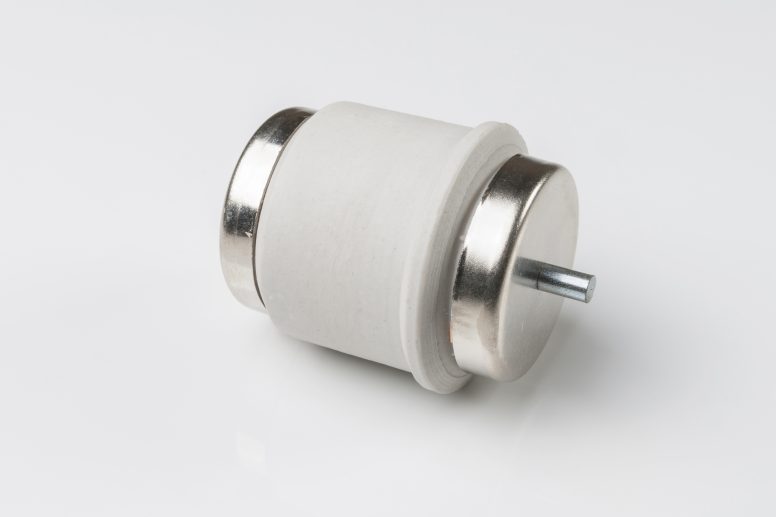
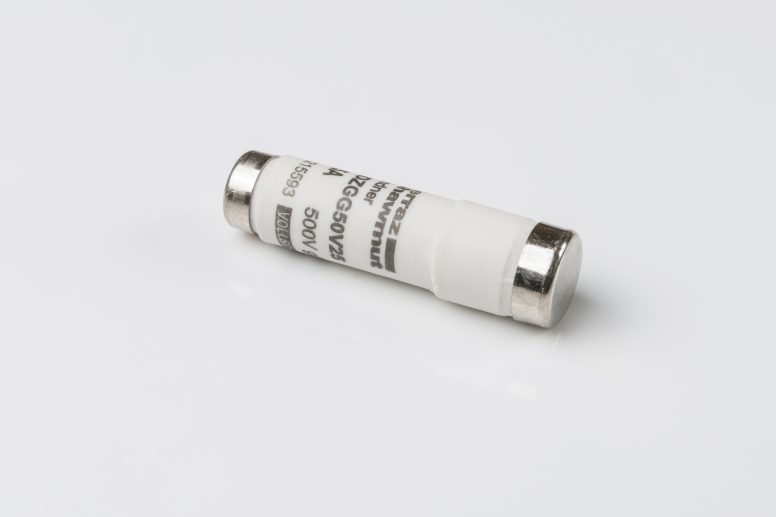
The Lawson Type LD Diazed Fuse range covers five body sizes: LD12 (12mm diameter, 50mm length, 2A–25A), LD22 (22mm diameter, 50mm length, 2A–25A), LD27 (27mm diameter, 50mm length, 35A–63A), LD37 (37mm diameter, 63mm length, 80A–100A), and LD51 (51mm diameter, 66mm length, 125A–200A). The complete current rating range spans from 2A to 200A.
Q5. What is the difference between slow-acting and quick-acting Diazed Fuse variants?
The slow-acting Diazed Fuse (LD series) is a time-delay gG fuse that tolerates brief overcurrents — such as motor starting inrush currents — without operating, while still providing full overload and short-circuit protection. It is the standard choice for general circuit protection in residential and commercial installations. The quick-acting Diazed Fuse (LDQ series) operates faster under overcurrent conditions and is used where rapid fault clearance is required to protect sensitive equipment or semiconductor devices. Quick-acting variants are available for LD12, LD22, LD27, and LD37 sizes; the LD51 (125A–200A) is available in slow-acting only.
Q6. What voltage ratings are available for the Type LD Diazed Fuse?
The Lawson Type LD Screw Type Fuse and Bottle Type Fuse range is rated at 400V and 500V a.c. — covering both standard UK and European supply voltages for single-phase (230/240V) and three-phase (400/415V and 500V) electrical installations.
Q7. How does the Diazed Fuse’s anti-overrating protection work?
The anti-overrating protection of the Diazed Bottle Type Fuse system works through the physical relationship between the end cap diameter of the fuse-link and the gauge ring in the fuse base. Each current rating has a specific end cap diameter — lower ratings have narrower end caps, higher ratings have wider ones. The gauge ring fitted in the fuse base allows only end caps up to a maximum diameter to be inserted. This means it is physically impossible to fit a Screw Type Fuse of a higher current rating than the gauge ring permits, regardless of whether the installer is aware of the circuit’s rated current. This automatic, passive safety mechanism requires no monitoring or electrical intervention.
Q8. Are motor circuit protection and semiconductor Diazed Fuse variants available?
Yes. In addition to the standard slow-acting and quick-acting gG general purpose range, Lawson also offers motor circuit protection variants (gM) and semiconductor protection variants of the Type LD Diazed Fuse. These provide the specialised time-current characteristics required for direct-on-line motor starting and semiconductor device protection within the Diazed screw-cap fuse format. Contact the Lawson Fuses sales team for details of available ratings and variants.
Q9. What fuse holder is compatible with the Lawson Type LD Diazed Fuse?
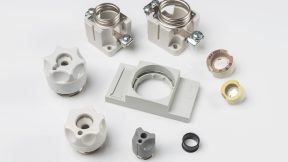
The Lawson Type LD Diazed Fuse is designed for use with the Lawson Type LD Diazed Fuse Holder range — covering all sizes of fuse bases (DIII, DIV, DV), replacement screw caps, colour-coded gauge pieces, and surface mounting plates. The fuse base size must match the body size of the Diazed fuse-link being used, and the correct gauge piece must be installed in the base to enforce the appropriate current rating limit for the circuit.
Q10. How do I identify a blown Diazed Fuse?
A blown Diazed Fuse can often be identified visually — the ceramic body may show signs of blackening at the end caps, or the fuse indicator (if fitted) will show a visible change. The screw cap can be removed by hand and the fuse-link inspected. Always use appropriate electrical safety precautions when inspecting or replacing a Screw Type Fuse in a live installation, and follow the applicable wiring regulations and safety procedures for your installation type. Replace only with a Diazed fuse of the same type, size, and current rating.