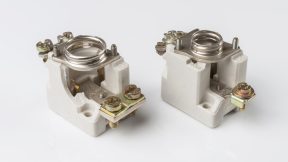
Q1. What is a Neozed Fuse?
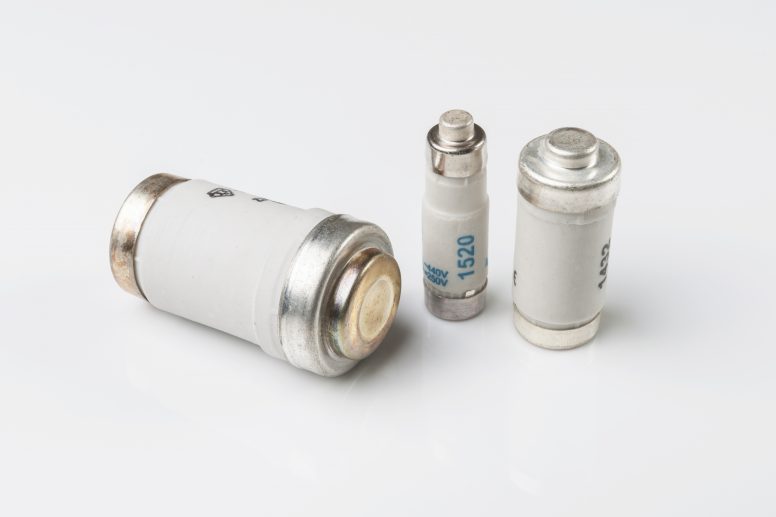
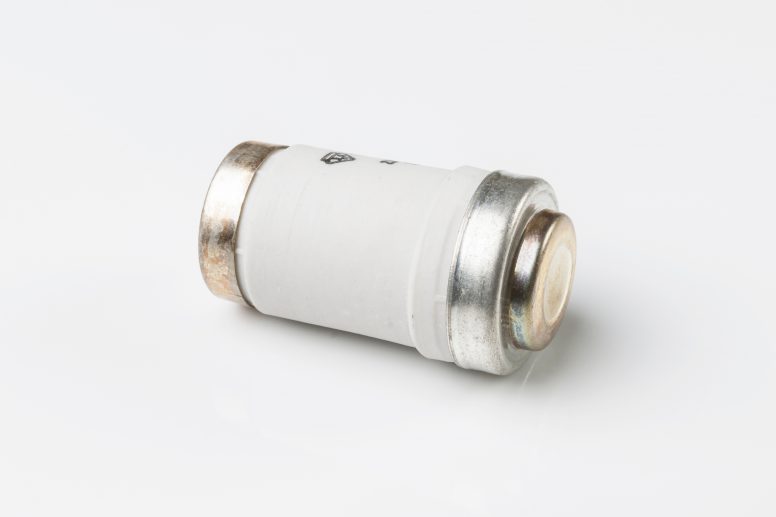
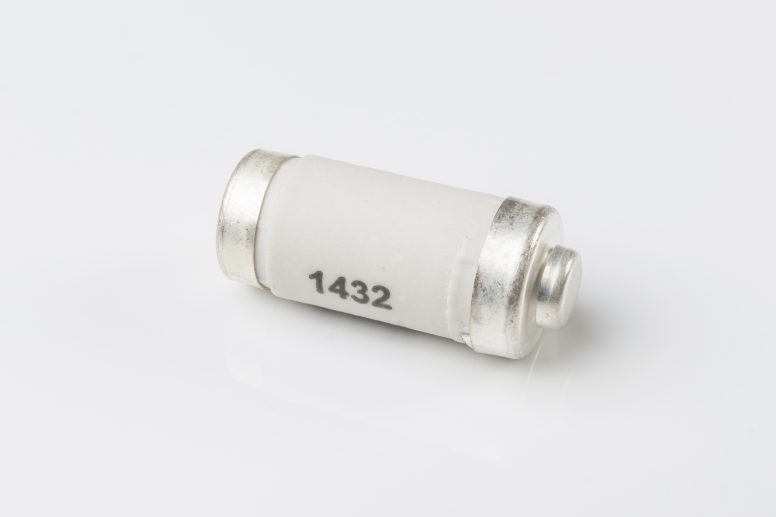
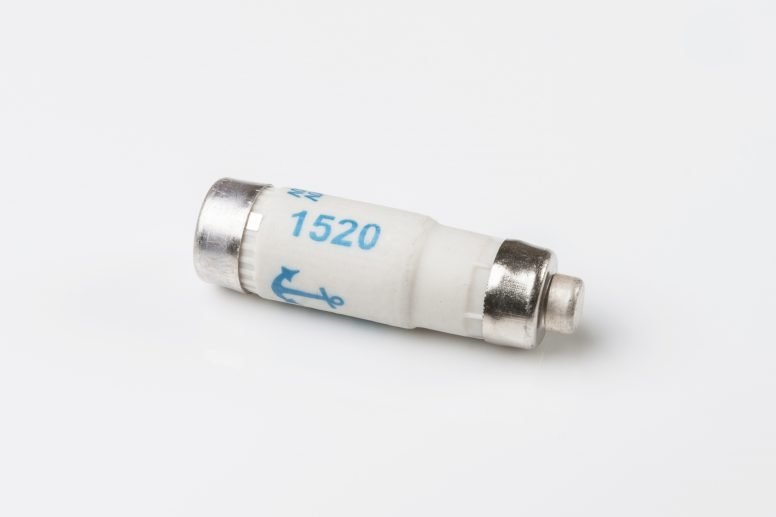
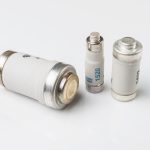
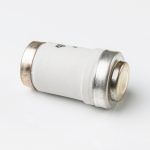
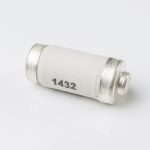
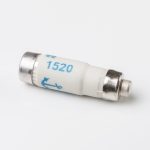
A Neozed Fuse is a D0-type compact screw-in fuse-link used in the Neozed (D0) fuse system for the protection of low-voltage power circuits. D0-type Neozed fuses were introduced in 1967 and use the same screw-cap concept as the Diazed system but have a smaller, cylindrical body, available in three sizes with ratings from 2A up to 100A. Wikipedia The Lawson Type LNZ Neozed Fuse is compliant with IEC 60269-3 and is available in 400V and 440V a.c. variants from 2A to 80A across three D0 body sizes — LNZ11 (D01), LNZ15 (D02), and LNZ22 (D03).
Q2. What are the three Neozed Fuse body sizes?
The three Lawson Type LNZ Neozed Fuse body sizes are: LNZ11 (11mm diameter x 36mm length, D01 equivalent, 2A–16A), LNZ15 (15mm diameter x 36mm length, D02 equivalent, 20A–63A), and LNZ22 (22mm diameter x 43mm length, D03 equivalent, 80A). Each body size corresponds to a specific Neozed fuse holder base size (D01, D02, or D03) and the sizes are not interchangeable — the fuse-link body size must match the fuse base installed.
Q3. What voltage ratings are available for the Lawson Type LNZ Neozed Fuse?
The LNZ11 and LNZ15 Neozed Fuse sizes are available in both 400V a.c. (LNZ-400 suffix) and 440V a.c. (LNZ-440 suffix) variants — covering both standard European network voltages. The LNZ22 (80A) is available in 400V a.c. only. The 400V a.c. variants are the standard choice for UK and most European 400/415V three-phase and single-phase supply systems.
Q4. What does a Neozed Fuse protect against?
A Neozed Fuse protects low-voltage power circuits against both overload currents and short-circuit faults — the gG utilisation category providing full-range protection for cables, conductors, and connected equipment. The Type LNZ is specifically designed for circuits with high short-circuit levels, where its certified breaking capacity ensures safe fault interruption even under the most demanding fault conditions in low-voltage distribution networks.
Q5. How is a Neozed Fuse installed and replaced?
A Neozed Fuse is installed by placing the fuse-link into the screw cap carrier of the Neozed fuse holder, then screwing the cap into the fixed fuse base until a secure contact is made. Fuse replacement requires simply unscrewing the cap by hand — no tools are needed — removing the blown fuse, inserting a replacement of the same type and current rating, and screwing the cap back in. The gauge piece in the fuse base physically prevents a higher-rated replacement from being installed accidentally.
Q6. What is the difference between the LNZ11, LNZ15, and LNZ22 Neozed Fuse sizes?
The three sizes differ in body diameter, length, and current rating range. The LNZ11 (11mm dia., 36mm) covers 2A–16A and fits the D01 fuse holder base. The LNZ15 (15mm dia., 36mm) covers 20A–63A and fits the D02 fuse holder base — this is the most widely used D0 Neozed size for general sub-circuit protection. The LNZ22 (22mm dia., 43mm) is rated at 80A and fits the D03 fuse holder base for higher-current applications. Because each size has a specific body diameter, they cannot be fitted into the wrong base size.
Q7. Are motor circuit protection variants of the Neozed Fuse available?
Yes. In addition to the standard gG general purpose Neozed Fuse range, motor circuit protection (gM) variants are available for direct-on-line and star-delta motor starter applications within the Neozed D0 fuse system. gM Neozed fuse-links tolerate the short-duration starting inrush current of motors without nuisance operation while still providing full overcurrent protection. Contact the Lawson Fuses sales team for details of available gM ratings and sizes.
Q8. Are semiconductor protection variants of the Neozed Fuse available?
Yes. Semiconductor protection variants of the Type LNZ Neozed Fuse are also available for applications where rapid-acting protection of sensitive electronic or semiconductor devices is required within the D0 Neozed fuse system. Contact the Lawson Fuses sales team for details of available semiconductor protection ratings and sizes.
Q9. What is the difference between a Neozed Fuse and a Diazed Fuse?
Both are screw-cap bottle-type fuse-links with inherent anti-overrating gauge piece protection, but they differ in several key respects. The Neozed Fuse (D0 type) has a smaller, more compact body (D01, D02, D03 sizes), is rated at 400V a.c., and covers 2A–100A. The Diazed Fuse (D-type) has a larger body (DII, DIII, DIV, DV sizes), is rated at up to 500V a.c., and covers up to 200A. The two systems use different body sizes and are not interchangeable — always cheque which fuse system is installed before ordering a replacement.
Q10. What Neozed Fuse Holder is compatible with the Lawson Type LNZ Neozed Fuse?
The Type LNZ Neozed Fuse is designed for use with the Lawson Type LNZ Neozed Fuse Holder range — specifically the D01 base for LNZ11 fuse-links (2A–16A), the D02 base for LNZ15 fuse-links (20A–63A), and the D03 base for LNZ22 fuse-links (80A). The gauge piece in the fuse base must also be set to the correct current rating for the circuit. Neozed fuse-links from other manufacturers conforming to the same D0 dimensional and electrical standard are also compatible with the Lawson Type LNZ fuse holder bases.